AirTag reveals Amazon is trashing rare books to train AI

arstechnica.com
August 17, 2026
1 min read
53/100
Summary
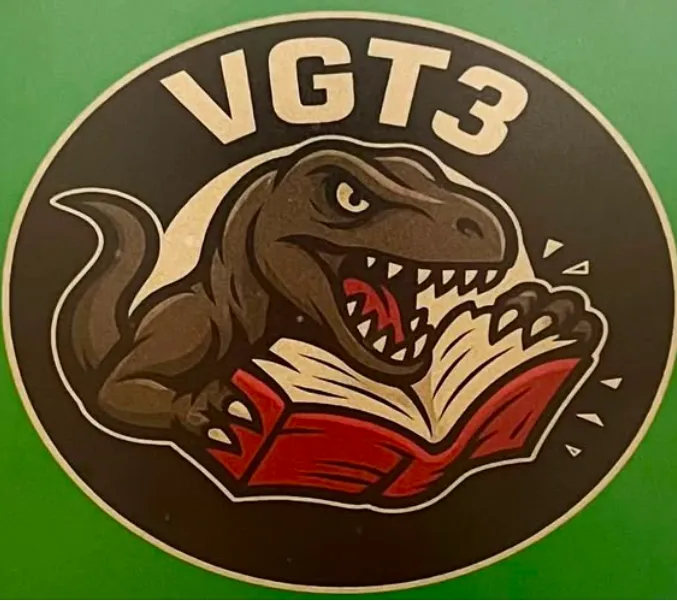
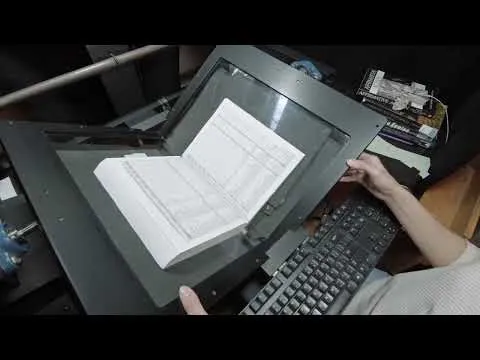
A rare book containing a hidden AirTag was tracked to Amazon’s VGT3 warehouse in Las Vegas, where 404 Media reported that a team tore books from their spines and scanned their pages. The book was supplied by a bookseller as part of a bulk order after booksellers had spent roughly a year suspecting that AI companies were acquiring large quantities of rare books and destroying them after digitization. 404 Media connected the tracked book to an Amazon AI training facility, providing evidence tying Amazon to at least one such bulk purchase. Amazon did not comment directly on the findings or say whether the scanned books were used for AI training. The company said it buys books through commercial channels “to help develop and improve the products and services our customers use.” Amazon is developing frontier AI models, which require large volumes of distinct training data to compete with companies including Google, OpenAI, and Anthropic. Text from rare books could offer valuable training material because the works may be difficult to obtain elsewhere. Anthropic and xAI have publicly said they do not train their models on rare or antique books. A logo documented on the VGT3 team’s warehouse door depicted a Tyrannosaurus rex preparing to devour a book.
Key Takeaways
- A hidden AirTag in a rare book was tracked to Amazon’s VGT3 warehouse in Las Vegas, where 404 Media reported that books were being disbound and scanned.
- Amazon said it purchases books through commercial channels to develop and improve customer products and services, but did not specifically address AI training or the reported scanning operation.
- Rare books may provide hard-to-find text for frontier AI training datasets, while Anthropic and xAI have publicly said they do not train on rare or antique books.
What the discussion said
The thread never seriously debates Amazon’s alleged destruction of books for AI training. Instead, commenters focus almost entirely on submission hygiene: this link is treated as a duplicate of several earlier discussions, especially the original reporting rather than a secondary article describing it. The strongest shared preference is to send readers to the primary investigation, since that is where the evidence and AI-training implications can be assessed directly. A smaller practical concern is access. Readers note that the original source is paywalled and point to an archived copy, suggesting interest in making the underlying reporting available rather than relying on a derivative account. But nobody in this excerpt argues over whether the books were actually used for model training, whether the practice is ethically defensible, or what it says about AI data acquisition. As a result, there is no meaningful positive or negative community judgment about AI itself here; the visible reaction is procedural and editorial.
Related Articles
We Tracked a Shipment of Rare Books. It Ended at an Amazon AI Training Facility
Aug 17, 2026
It is a sign of the times that Amazon gets to call this fair use
Aug 21, 2026
A 'bananas' order for 5000 obscure book titles fuels suspicion
Aug 10, 2026

Secondhand book sales are booming. Is it because of AI?
Aug 15, 2026

AI companies are shredding rare books
Jul 27, 2026