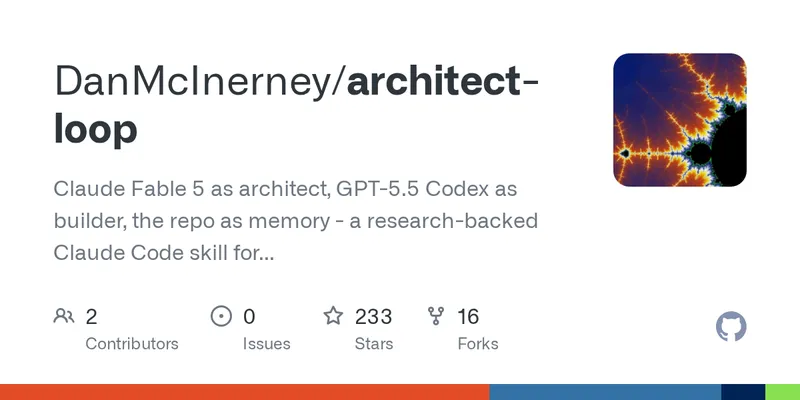
/architect: Reduce Fable tokens by 80%, Fable orchestrates/reviews, Codex builds
github.com
June 12, 2026
5 min read
🔥🔥🔥🔥🔥
51/100
Summary
Claude Fable manages planning and review processes, while GPT-5.5 Codex focuses on implementation and research within the architect-loop framework. This setup utilizes existing subscriptions without requiring API keys, allowing for a repository-centered workflow where specifications and gates are established before integration.
Key Takeaways
- Claude Fable manages planning and review processes, while GPT-5.5 Codex is responsible for implementation and research tasks.
- The system operates on existing subscriptions without requiring API keys, utilizing a repository-centered loop for project management.
- The architecture includes isolated builders that operate under strict guidelines, ensuring compliance with specifications before integration.
- The design emphasizes source-backed decision-making, requiring multiple independent sources for claims and maintaining rigorous evidence standards.
Community Sentiment
Positives
- Fable's ability to spawn Opus/Sonnet subagents for simple tasks showcases its potential to streamline workflows and improve efficiency in AI-driven projects.
- The integration of Codex with Fable has provided users with a valuable experience, enhancing their productivity and enabling effective collaboration between AI agents.
- The architecture of using a more expensive model for planning and a cheaper model for implementation reflects a growing trend in AI development that prioritizes cost-effectiveness.
Concerns
- The reliance on 'mechanical enforcement' in AI workflows suggests a lack of genuine innovation, as it often boils down to merely prompting the LLM more frequently.
- Concerns about the clarity and utility of LLM-generated documentation indicate that the communication from AI models can sometimes be convoluted and unhelpful.
- The sentiment that Fable's workflow is not particularly impressive highlights skepticism about its effectiveness compared to existing solutions in multi-agent systems.
Related Articles
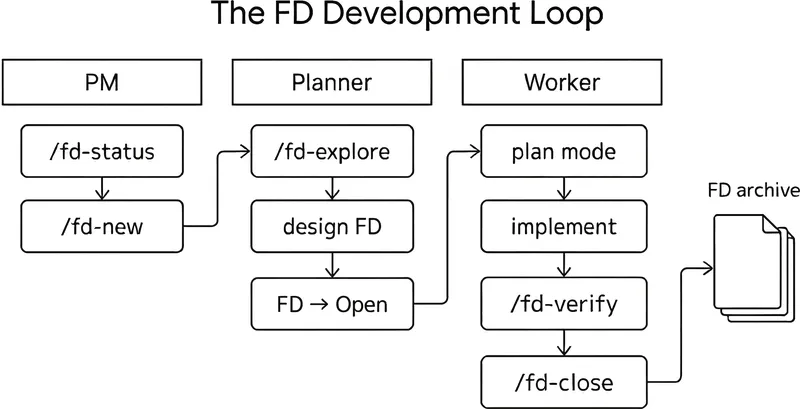
Parallel coding agents with tmux and Markdown specs
Mar 2, 2026
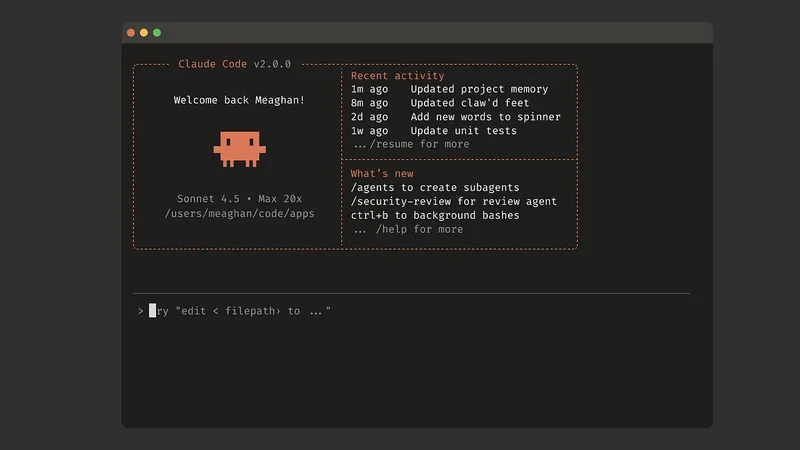
Claude Code – Everything You Can Configure That the Docs Don't Tell You
May 29, 2026

Claude Code as a Daily Driver: Claude.md, Skills, Subagents, Plugins, and MCPs
May 27, 2026
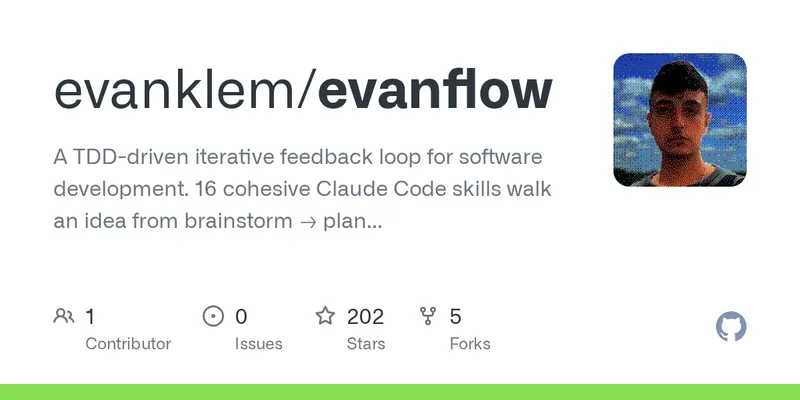
EvanFlow – A TDD driven feedback loop for Claude Code
Apr 27, 2026
Agent Skills
May 4, 2026