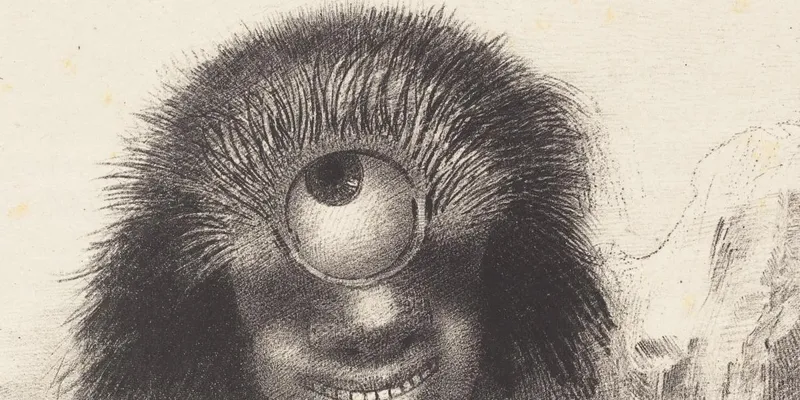
George Orwell Predicted the Rise of "AI Slop" in Nineteen Eighty-Four

openculture.com
April 16, 2026
3 min read
🔥🔥🔥🔥🔥
48/100
Summary
George Orwell's "Nineteen Eighty-Four" predicted the emergence of low-quality, misleading information produced by artificial intelligence, termed "AI slop." The text explores the implications of AI's ability to generate content that can influence perceptions and societal norms.
Key Takeaways
- George Orwell's Nineteen Eighty-Four features a device similar to modern large language models, used to produce low-quality media content in a dystopian society.
- The concept of "AI slop" reflects the production of low-effort, high-volume content with minimal human intervention, paralleling the junk culture depicted in Orwell's novel.
- The popularity of AI-generated content raises concerns about the public's undemanding nature and the potential flooding of the internet with such material.
- Orwell's insights into media quality and societal distraction remain relevant in the context of today's advancements in artificial intelligence.
Community Sentiment
Positives
- The discussion highlights the prophetic nature of literature in predicting the impact of AI on creativity, emphasizing the need for critical engagement with generative technologies.
- Asimov's insights on automation and its implications for scholarship resonate strongly with current debates about the role of AI in writing and research.
Concerns
- Concerns about 'AI slop' suggest that generative models may lead to a decline in quality and critical thinking, raising ethical questions about reliance on AI for creative tasks.
- The notion that AI could replace human decision-making in writing processes indicates a fear of losing intellectual rigor and authenticity in scholarly work.