Mayor Mamdani Says Landlords Can't Use AI Images to Advertise
petapixel.com
July 18, 2026
2 min read
🔥🔥🔥🔥🔥
69/100
Summary
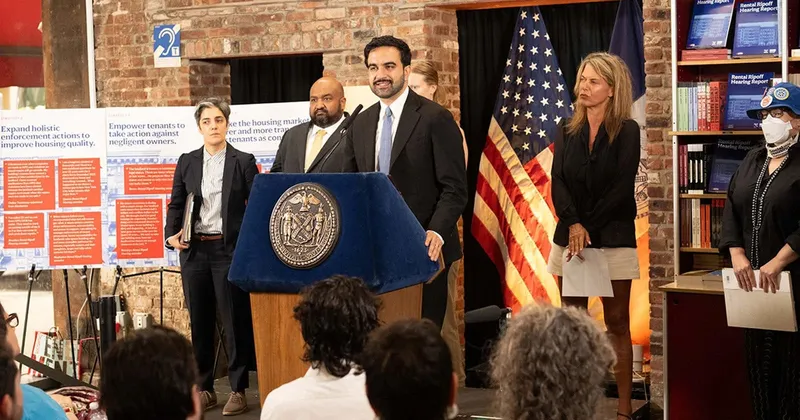
New York City Mayor Zohran Mamdani has announced a crackdown on landlords using AI-generated images to promote properties deceptively. A "Rental Ripoff Report" has been released, outlining recommendations to address these practices.
Key Takeaways
- New York City Mayor Zohran Mamdani announced a requirement for landlords to disclose the use of AI-generated or AI-edited images in rental listings.
- The "Rental Ripoff Report" outlines measures to combat deceptive landlord practices and enhance tenant rights, including recognizing tenant unions.
- Mayor Mamdani's administration conducted Rental Ripoff Hearings, gathering feedback from 2,400 New Yorkers on issues related to safety and landlord practices.
- The report aims to address the growing problem of misleading imagery in real estate listings, which can misrepresent properties to potential tenants.
Community Sentiment
Positives
- Finally, some accountability! The crackdown on deceptive AI-staged apartments is a win for renters who deserve to see the real deal.
- Mandatory disclosure of AI usage in advertising is a step in the right direction — transparency is key in housing markets flooded with misleading content.
- Regulating AI imagery in rentals helps mitigate the chaos caused by unrealistic representations, giving renters a fair chance to know what they're getting.
Concerns
- This regulation feels like a band-aid on a much larger issue; every listing will likely still be filled with misleading AI photos despite the rules.
- The idea that disclosure alone will solve the problem of deceptive advertising seems overly optimistic; past regulations have often failed to enforce real change.
- Banning AI usage in areas like advertising might be overreaching; it risks stifling innovation while failing to address the core issues of trust and accuracy.
Related Articles

Company Offering '100% Human-Written, Never AI' Medical Research Is 100% AI
Aug 12, 2026

Meta Ran Ads That Contained AI-Generated Child Sexual Abuse Imagery
Aug 5, 2026

I flagged two research papers for fake authors and both were accepted as orals
Jul 30, 2026

Human Routers of Machine Words
Jun 13, 2026

AI slop is killing online communities
May 7, 2026