Our agent found a bug with WireGuard in Google Kubernetes Engine
lovable.dev
May 1, 2026
5 min read
🔥🔥🔥🔥🔥
46/100
Summary
Users experienced errors in the Lovable platform, including project opening failures, GitHub code cloning timeouts, and "Connection reset by peer" messages. The platform creates over 50 sandboxes per second during peak hours, making even a small percentage of failures significant for users.
Key Takeaways
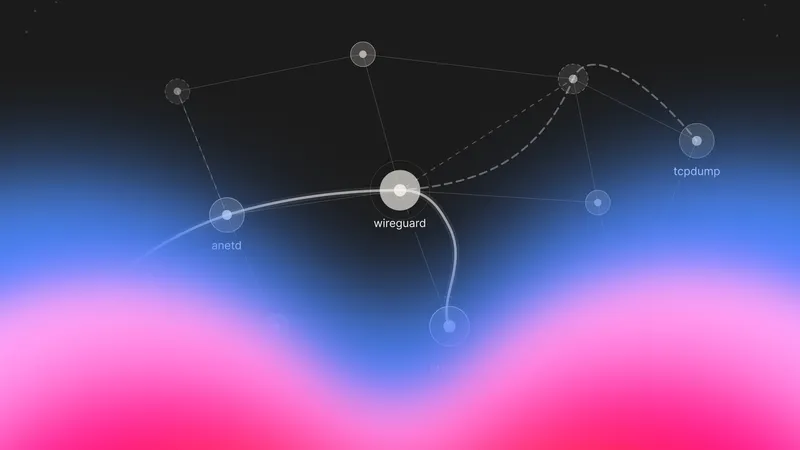
- The anetd pods in the Google Kubernetes Engine cluster were restarting constantly, leading to significant user-facing failures due to networking instability.
- The root cause of the crashes was identified as a concurrent map-access panic in Google's integration code for the WireGuard module of anetd.
- Disabling transparent node-to-node encryption was recommended as a temporary fix to stabilize the system, despite security trade-offs.
- A subsequent issue was discovered related to an MTU mismatch, which caused packet fragmentation errors in the network.
Community Sentiment
Positives
- The agent effectively identified a critical issue with the WireGuard module, showcasing the potential for AI to assist in debugging complex systems.
- Sascha's investigation into the crash dumps highlights the importance of human oversight in AI-driven processes, ensuring accuracy in identifying root causes.
Concerns
- The article's tone and structure are perceived as overly generic and AI-generated, leading to frustration among readers who seek in-depth analysis.
- Critics argue that the article lacks essential details about the bug's root cause and the implications of disabling encryption, raising concerns about transparency and thoroughness.