Recreating Epstein PDFs from raw encoded attachments
neosmart.net
February 4, 2026
15 min read
🔥🔥🔥🔥🔥
68/100
Summary
The latest Epstein archive released by the DoJ contains uncensored PDFs recreated from raw encoded attachments. Complaints have arisen regarding the censorship of co-conspirators' names and the mishandling of evidence, including unredacted credentials that allowed unauthorized access to Epstein's account.
Key Takeaways
- The latest Epstein archive release by the DoJ has faced criticism for censoring names of co-conspirators and mishandling redactions, leading to potential misrepresentation of individuals involved.
- Some binary attachments in the email dumps were included in base64 format, which were not properly recognized or censored by the DoJ.
- The conversion of emails to plain text resulted in corrupted data due to improperly handled Quoted-Printable encoding artifacts.
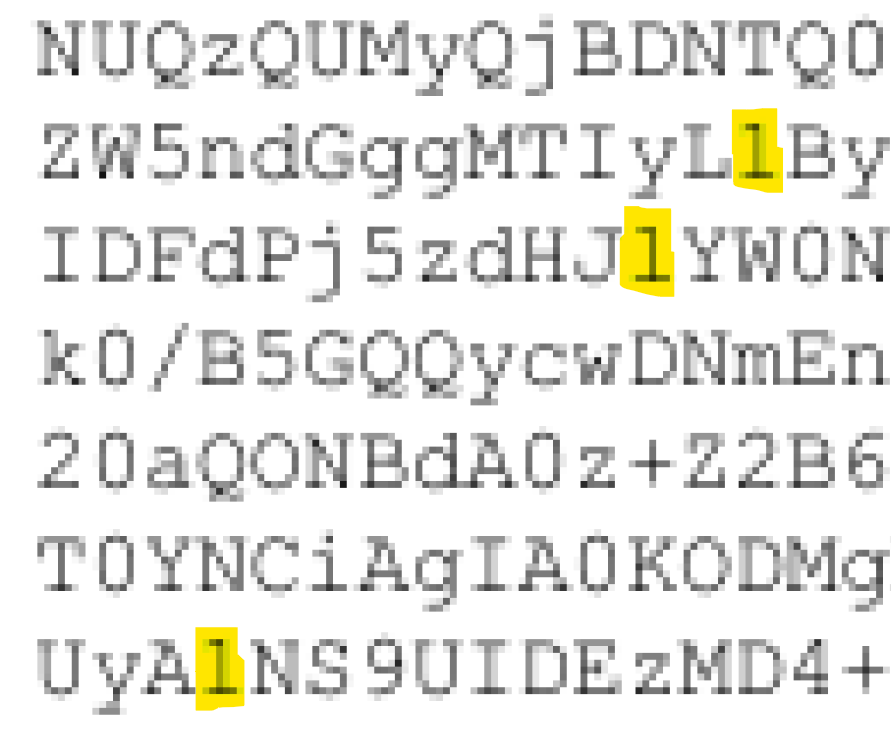
- Attempts to recover the original PDFs from the corrupted emails have been complicated by poor OCR results and the presence of extraneous characters in the base64 content.
Community Sentiment
Positives
- The use of brute force methods to decode complex PDFs highlights the potential for innovative problem-solving in data extraction, showcasing the community's resourcefulness.
Concerns
- The suggestion to manually type out pages reflects a lack of confidence in current automated methods, raising concerns about the effectiveness of existing AI tools for document processing.
- The sheer number of permutations required for decoding indicates a significant computational challenge, which may deter practical applications of AI in similar tasks.