The Economic Benefit of Refactoring

martinfowler.com
July 30, 2026
17 min read
🔥🔥🔥🔥🔥
61/100
Summary
Refactoring can lead to significant economic benefits in software development by improving code quality and maintainability. A sophisticated application was developed to support agentic engineering, featuring a high-quality web UI, dynamic updates, external system integrations, and machine learning capabilities.
Key Takeaways
- The application built for agentic engineering consists of approximately 150,000 lines of code, primarily in Rust, with additional components in TypeScript and Terraform.
- The data access layer of the application grew to 17,155 lines of code without proper de-duplication or function extraction, making it a prime candidate for refactoring.
- An experiment was conducted to refactor the data access layer, demonstrating that refactoring can reduce the token cost for future feature implementations.
- The refactoring process involved a systematic approach to apply changes and measure the impact on token consumption and execution time at each step.
Community Sentiment
Positives
- LLMs are finally making it feasible to edit and refactor code that was previously a tangled mess — we're witnessing a revolution in code manageability.
- Agents have come a long way in refactoring; with the right prompts, they can efficiently tackle specific tasks like implementing `functools.partial` — that’s a game changer.
- The ability to refactor code quickly, like cutting months of work down to a week, shows the potential of human-AI collaboration in software development.
- Having empirical evidence that well-factored code enhances LLM performance is a relief — it validates longstanding best practices that often get ignored.
Concerns
- The concern that AI tooling locks us into a cycle of bad code generation is valid; if we can't understand or manage the output, we're in trouble.
- Some commenters argue that AI agents can actually worsen situations, turning average developers into bad hires because they can now work faster but with less oversight.
- Skeptics worry that asking agents to refactor without a holistic understanding of the project is like asking trauma surgeons to improve fitness — it just doesn’t make sense.
Related Articles

How AST-grep Rewrote Tree-sitter in Rust and Made It 30% Faster
Jul 26, 2026
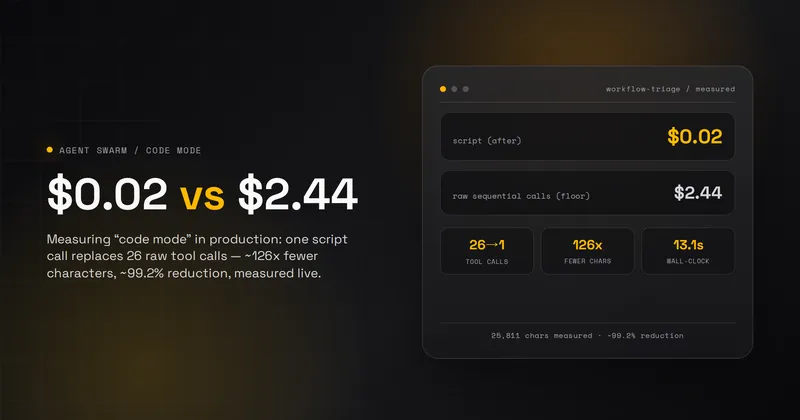
Code mode yields a 99.2% cost reduction in our systems
Jul 23, 2026

Claude Code sends 33k tokens before reading the prompt; OpenCode sends 7k
Jul 12, 2026
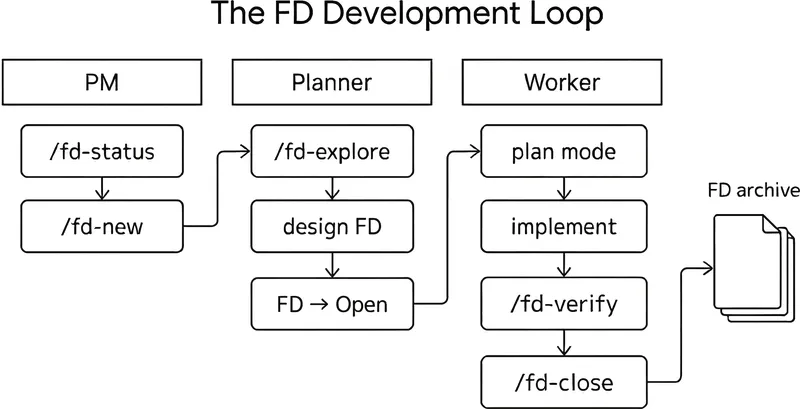
Parallel coding agents with tmux and Markdown specs
Mar 2, 2026
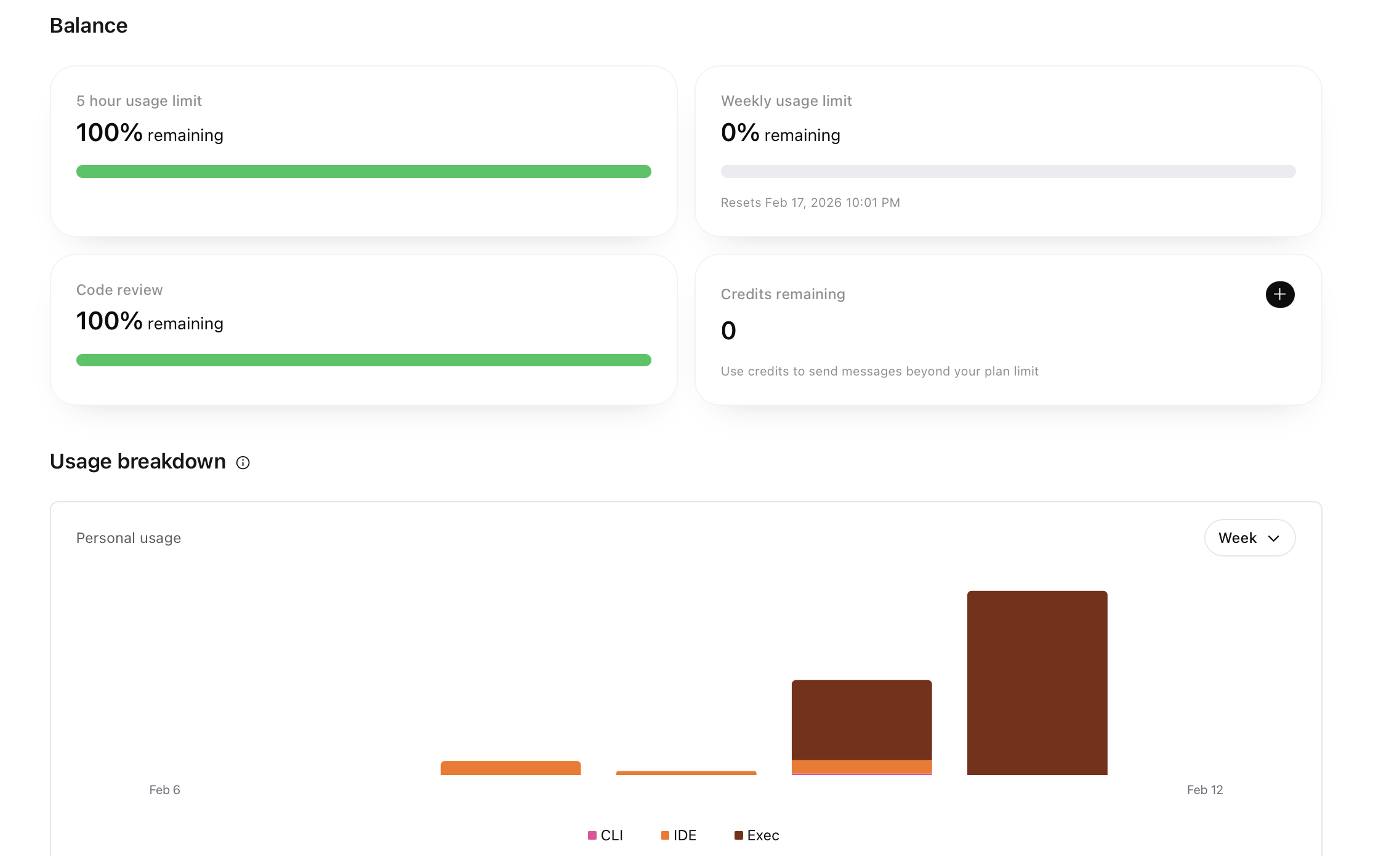
Building SQLite with a small swarm
Feb 16, 2026