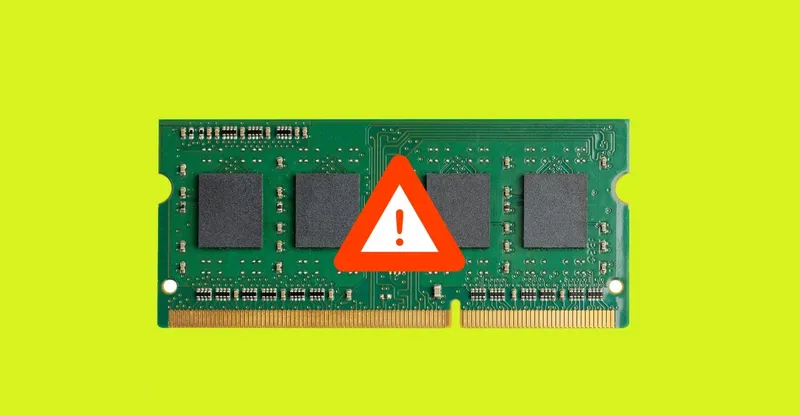
The RAM shortage could last years
theverge.com
April 19, 2026
1 min read
🔥🔥🔥🔥🔥
64/100
Summary
Memory manufacturers are projected to meet only 60 percent of global DRAM demand by the end of 2027. SK Group chairman has indicated that RAM shortages could persist until 2030.
Key Takeaways
- Memory makers are projected to meet only 60 percent of RAM demand by the end of 2027.
- The world's largest memory manufacturers, including Samsung, SK Hynix, and Micron, will not have significant new production capacity online until at least 2027 or 2028.
- Production of RAM would need to increase by 12 percent annually in 2026 and 2027 to meet demand, but only a 7.5 percent increase is currently planned.
- New fabrication facilities will focus on high-bandwidth memory (HBM) for AI data centers, potentially limiting relief for consumer electronics facing price increases due to the RAM shortage.
Community Sentiment
Positives
- Google's TurboQuant optimization shows promise with a 6x reduction in memory usage for KV caches, potentially enabling larger contexts without needing smaller models.
- Local models like Gemma 4 32B are achieving intelligence levels comparable to state-of-the-art models from two years ago, suggesting advancements in efficiency and accessibility.
- The ongoing work to reduce memory usage in AI models indicates a shift towards more efficient architectures, which could alleviate some of the current RAM shortages.
Concerns
- The RAM shortage is exacerbated by manufacturers prioritizing HBM over DRAM, limiting availability for consumer electronics and impacting AI development.
- OpenAI's financial struggles and unrealistic purchase commitments raise concerns about the sustainability of RAM demand in the AI sector.
- The reluctance of RAM manufacturers to increase production suggests they may be anticipating a long-term decline in demand, which could hinder future AI advancements.
Related Articles
2027 memory capacity is reportedly sold out
Aug 7, 2026
RAM prices are forcing companies to choose higher prices, worse specs, or both
May 6, 2026
CXMT has been offering DDR4 chips at about half the prevailing market rate
Feb 21, 2026
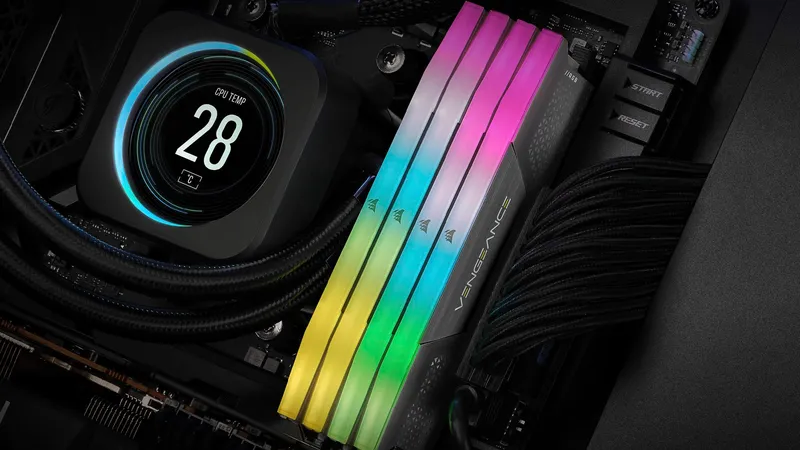
32GB of DDR5 now costs $375 – AI shortage continues to squeeze PC building
Jun 3, 2026
Sony halts memory card shipments due to NAND shortage
Mar 31, 2026