Un-0: Generating Images with Coupled Oscillators
unconv.ai
June 25, 2026
27 min read
🔥🔥🔥🔥🔥
57/100
Summary
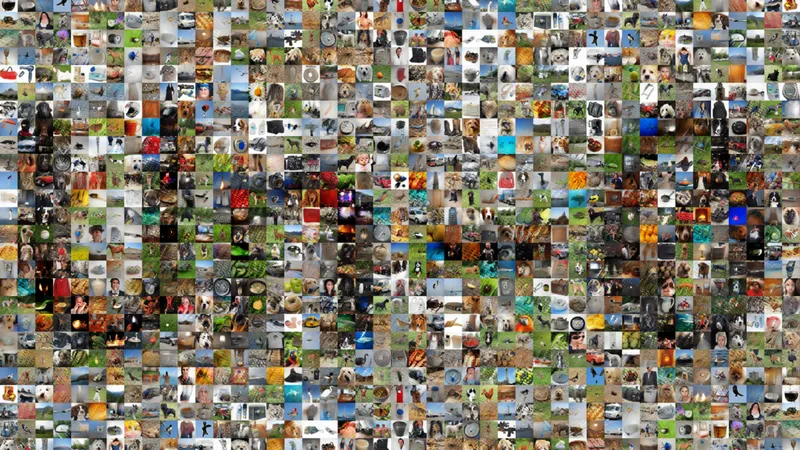
Un-0 is an image generator that utilizes a simulated system of coupled oscillators, representing a new type of physical computing substrate. It achieves an FID score of 6.74 on ImageNet 64×64, demonstrating competitive performance in image generation.
Key Takeaways
- Un-0 is an image generator that utilizes a simulated system of coupled oscillators, achieving an FID score of 6.74 on ImageNet 64×64, comparable to leading conventional image generation methods at their inception.
- The goal of Un-0 is to significantly reduce energy consumption for AI tasks, aiming for approximately 1,000 times less energy usage than current deep neural networks.
- The model's weights, training, evaluation, and ablation code are openly released to facilitate experimentation with AI based on physical dynamics.
- Un-0 represents a step towards leveraging physical computing substrates for modern AI workloads, validating that these systems can operate more efficiently than traditional hardware.
Community Sentiment
Positives
- The demonstration of coupled oscillators in a simulated physics environment showcases a bold vision for future AI hardware, potentially revolutionizing computational methods.
- The exploration of energy efficiency in this model raises intriguing questions about its viability compared to conventional approaches, which could lead to significant advancements in AI performance.
- The concept of using oscillators as a different function space for inference is fascinating and could unlock new avenues for AI applications.
Concerns
- Concerns about the practicality of this approach arise from its n^2 scaling, which could limit its applicability for generating high-resolution images.
- The lack of clarity on the energy efficiency of this model compared to traditional methods leaves doubts about its potential benefits.
- The complexity of implementing coupled oscillators in hardware raises questions about programmability and memory bandwidth, which could hinder performance.