
Anti-AI fonts are useless and harmful
Anti-AI fonts that scramble or obfuscate text aim to make web content harder for AI systems to read, but Yaros argues that they are ineffective and harmful. Fonts that alter the text itself create accessibility problems because screen readers and related tools parse the scrambled characters. An accessible alternative would require machine-readable metadata, which Yaros says raises the unresolved problem of distinguishing disabled users from AI systems and could lead to centralized identity verification, privacy risks, and lists of disabled people. Yaros says public demonstrations of anti-AI fonts and related techniques can help AI companies train multimodal models to bypass them, turning new designs into benchmarks for overcoming the protections. The post argues that any information visible to humans can ultimately be parsed by machines, while motion-graphics and video-based obfuscation methods are impractical for routine website use. Widespread obfuscation could require computationally expensive tools to read web content and encourage copy-protection systems, paywalls, censorship, and other access controls. Yaros contends that publicly available information will remain accessible to people and systems authorized to access it, and that the web should remain based on plaintext and open access to information.
blog.yaros.ae
3 min
8/20/2026
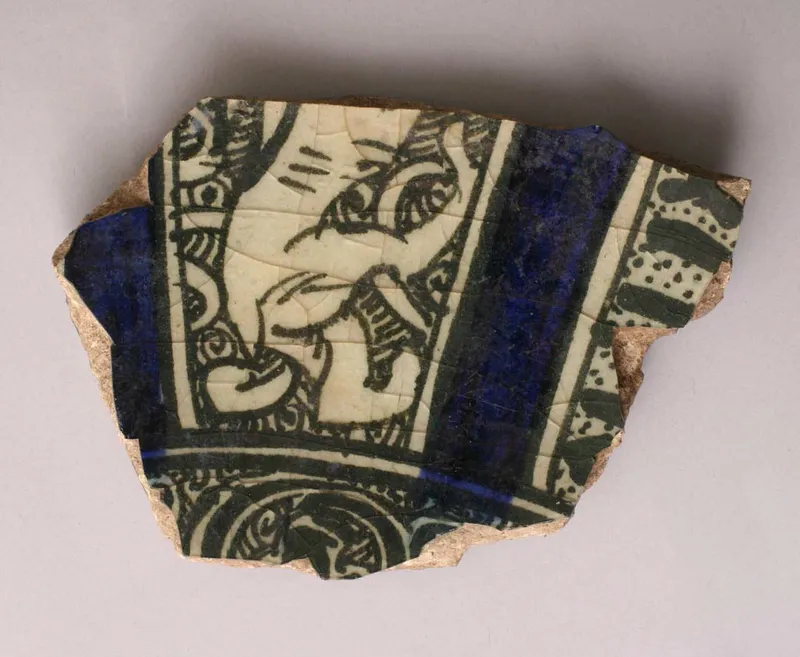
Adaptive PDFs
PDF is a visual format that stores instructions for drawing glyphs on a page, with support for Tagged PDF to mark headings and paragraphs. Most PDFs are untagged due to limitations in tools like LaTeX and Chrome's print-to-PDF, resulting in text extractors reading draw commands sequentially without structural context.
sgaud.com
5 min
6/12/2026
The Website Specification
The Website Specification outlines essential technical features for effective websites, covering elements from metadata to security protocols. It categorizes requirements into ten areas, including foundations, SEO, and accessibility, aligned with widely-accepted standards.
specification.website
2 min
5/31/2026

A blind man made it possible for others with low vision to build Lego sets
Matthew Shifrin, who is blind, developed audio and Braille instructions to enable individuals with low vision to build Lego sets independently. This innovation allows users to follow detailed building steps without needing assistance from others.
apnews.com
5 min
4/7/2026
Anti-AI fonts are useless and harmful
Anti-AI fonts that scramble or obfuscate text aim to make web content harder for AI systems to read, but Yaros argues that they are ineffective and harmful. Fonts that alter the text itself create accessibility problems because screen readers and related tools parse the scrambled characters. An accessible alternative would require machine-readable metadata, which Yaros says raises the unresolved problem of distinguishing disabled users from AI systems and could lead to centralized identity verification, privacy risks, and lists of disabled people. Yaros says public demonstrations of anti-AI fonts and related techniques can help AI companies train multimodal models to bypass them, turning new designs into benchmarks for overcoming the protections. The post argues that any information visible to humans can ultimately be parsed by machines, while motion-graphics and video-based obfuscation methods are impractical for routine website use. Widespread obfuscation could require computationally expensive tools to read web content and encourage copy-protection systems, paywalls, censorship, and other access controls. Yaros contends that publicly available information will remain accessible to people and systems authorized to access it, and that the web should remain based on plaintext and open access to information.
blog.yaros.ae
3 min
8/20/2026
The Website Specification
The Website Specification outlines essential technical features for effective websites, covering elements from metadata to security protocols. It categorizes requirements into ten areas, including foundations, SEO, and accessibility, aligned with widely-accepted standards.
specification.website
2 min
5/31/2026
Adaptive PDFs
PDF is a visual format that stores instructions for drawing glyphs on a page, with support for Tagged PDF to mark headings and paragraphs. Most PDFs are untagged due to limitations in tools like LaTeX and Chrome's print-to-PDF, resulting in text extractors reading draw commands sequentially without structural context.
sgaud.com
5 min
6/12/2026
A blind man made it possible for others with low vision to build Lego sets
Matthew Shifrin, who is blind, developed audio and Braille instructions to enable individuals with low vision to build Lego sets independently. This innovation allows users to follow detailed building steps without needing assistance from others.
apnews.com
5 min
4/7/2026
Anti-AI fonts are useless and harmful
Anti-AI fonts that scramble or obfuscate text aim to make web content harder for AI systems to read, but Yaros argues that they are ineffective and harmful. Fonts that alter the text itself create accessibility problems because screen readers and related tools parse the scrambled characters. An accessible alternative would require machine-readable metadata, which Yaros says raises the unresolved problem of distinguishing disabled users from AI systems and could lead to centralized identity verification, privacy risks, and lists of disabled people. Yaros says public demonstrations of anti-AI fonts and related techniques can help AI companies train multimodal models to bypass them, turning new designs into benchmarks for overcoming the protections. The post argues that any information visible to humans can ultimately be parsed by machines, while motion-graphics and video-based obfuscation methods are impractical for routine website use. Widespread obfuscation could require computationally expensive tools to read web content and encourage copy-protection systems, paywalls, censorship, and other access controls. Yaros contends that publicly available information will remain accessible to people and systems authorized to access it, and that the web should remain based on plaintext and open access to information.
blog.yaros.ae
3 min
8/20/2026
A blind man made it possible for others with low vision to build Lego sets
Matthew Shifrin, who is blind, developed audio and Braille instructions to enable individuals with low vision to build Lego sets independently. This innovation allows users to follow detailed building steps without needing assistance from others.
apnews.com
5 min
4/7/2026
Adaptive PDFs
PDF is a visual format that stores instructions for drawing glyphs on a page, with support for Tagged PDF to mark headings and paragraphs. Most PDFs are untagged due to limitations in tools like LaTeX and Chrome's print-to-PDF, resulting in text extractors reading draw commands sequentially without structural context.
sgaud.com
5 min
6/12/2026
The Website Specification
The Website Specification outlines essential technical features for effective websites, covering elements from metadata to security protocols. It categorizes requirements into ten areas, including foundations, SEO, and accessibility, aligned with widely-accepted standards.
specification.website
2 min
5/31/2026
No more articles to load