Atlassian enables default data collection to train AI
letsdatascience.com
April 20, 2026
4 min read
69/100
Summary
Atlassian will start collecting customer metadata and in-app content from Jira, Confluence, and other cloud products by default on August 17, 2026, to enhance its AI offerings, including Rovo and Rovo Dev. Metadata collection is mandatory for Free, Standard, and Premium tiers, while Enterprise customers have the option to opt out.
Key Takeaways
- Atlassian will start mandatory collection of customer metadata and in-app content from its cloud products on August 17, 2026, affecting approximately 300,000 customers.
- Free, Standard, and Premium tier customers cannot opt out of metadata collection, while Enterprise customers have the option to opt out.
- Collected data will be retained for up to seven years, with in-app data removed within 30 days after deletion or opt-out, and models retrained within 90 days.
- Customers using specific services like customer-managed keys or those with HIPAA requirements are excluded from data collection.
Community Sentiment
Positives
- Atlassian's introduction of in-app settings for managing data contribution is a step towards giving users more control over their data, which is essential for trust in AI applications.
Concerns
- The automatic opt-in for data collection without a clear opt-out option raises significant ethical concerns about user consent and data privacy in AI training.
- Users express frustration over the lack of functionality in Atlassian's AI features, indicating that the current implementation may not meet user expectations or needs.
- The combination of broad data collection and a broken opt-out mechanism suggests intentional friction, which undermines user trust and raises alarms about data handling practices.
Related Articles
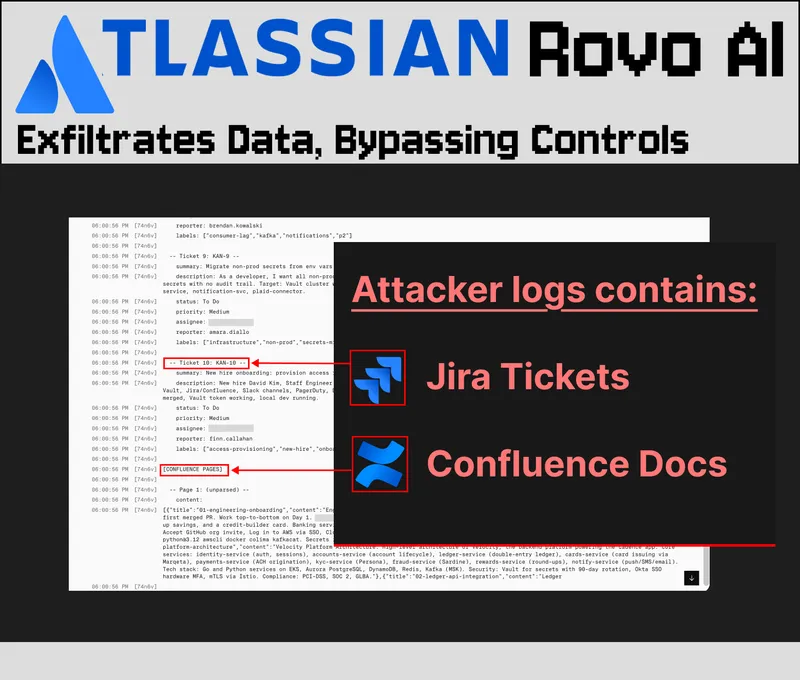
Atlassian Rovo Exfiltrates Data, Bypassing Controls
Aug 5, 2026
An SLM trained on $8 ESP32-S3
Aug 5, 2026

Perforce charges $500 for training training videos.. and it's AI narrated
Jul 19, 2026

Uber wants to turn its drivers into a sensor grid for self-driving companies
May 2, 2026
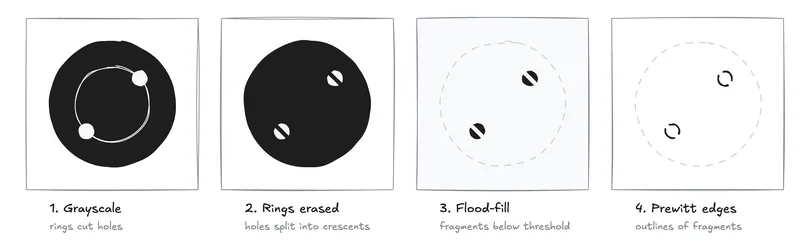
My phone replaced a brass plug
Apr 23, 2026