Digging the grave of my skills: Hollywood creatives training AI to do their jobs
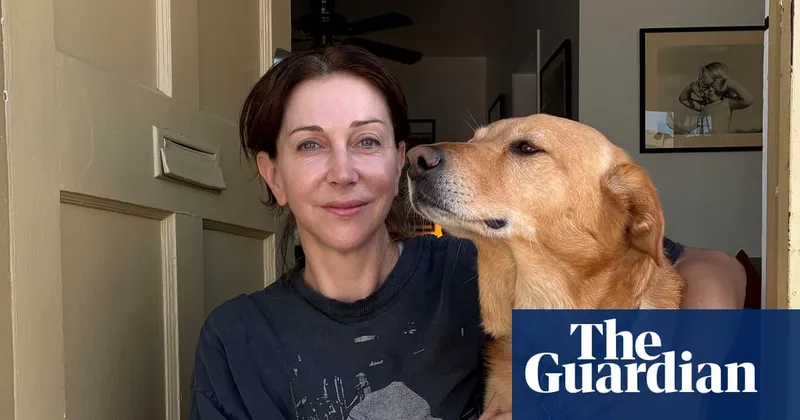
theguardian.com
August 22, 2026
5 min read
44/100
Summary
Hollywood writers, directors and producers are taking AI-training contracts that pay $12 to $200 an hour to teach models tasks including screenplay writing, production scheduling, pitch-deck creation and video transcription. Training agencies including Mercor, Micro1 and Handshake hold contracts with major AI companies including Anthropic and OpenAI. Micro1 recently advertised production-expert roles paying up to $85 an hour for designing evaluation tasks involving budgets, schedules, vendors and crew coordination. The work has expanded as entertainment employment and production have fallen. FilmLA Research reported that Los Angeles shoot days dropped 48% between 2021 and 2025. US motion-picture and sound-recording employment declined from 450,000 jobs in July 2022 to 326,000 in May 2026, a 28% decrease, according to the Bureau of Labor Statistics. Netflix said it used AI in 300 of its 1,000 titles in 2026. Some workers say the contracts provide essential income while potentially helping automate their professions. Screenwriter Jody Wheeler said AI can generate ideas but is unlikely to produce Oscar-winning scripts soon. An unnamed television writer who evaluates AI-generated scripts, podcasts, novels and lectures said the systems have improved but remain unable to approximate human emotion or nuance. Younger filmmakers are also using AI to create projects that might not otherwise receive funding; Zack London, known as Gossip Goblin, plans to release an AI-produced feature film in cinemas later in 2026.
Key Takeaways
- Hollywood creatives are training AI models to perform production, writing and transcription work for hourly pay ranging from $12 to $200.
- Los Angeles shoot days fell 48% from 2021 to 2025, while US motion-picture and sound-recording employment fell 28% between July 2022 and May 2026.
- Netflix said it used AI in 300 of its 1,000 titles in 2026.
- Some AI-training workers say the income is necessary during an industry downturn, while warning that the work could help automate jobs in film and television.
- Creative workers cited in the source said current AI systems can generate ideas and routine formats but lack the emotional nuance of higher-end human writing.
What the discussion said
The thread spent less time on the article’s individual creatives and more on whether current video generators are anywhere near capable of replacing a film production pipeline. One optimistic view held that cheap GPUs or a modest credit budget, plus patient human iteration around the model’s weak spots, could soon let amateurs assemble feature-length work that looks nearly professional. Others pushed back hard: if that threshold had been crossed, there should already be convincing two-minute scenes, polished half-hour projects, or commercials that do more than disguise incoherent five-second clips with rapid editing. Technical replies grounded that skepticism in today’s short training sequences and poor long-range continuity. Commenters also argued over the economic meaning of success. Some see sufficiently cheap generation as a direct threat to studios and creative jobs, especially when workers are asked to train systems intended to eliminate them. Others argued Hollywood has survived disruptive production technologies before and will still depend on audiences wanting worthwhile movies. A related split concerned endless machine-made continuations of beloved shows: enthusiasts imagine perfect extensions, while skeptics say human limitation, endings, and imperfection are part of why art matters. There was broad cynicism that abundant generation solves a supply problem entertainment never had; the hard problem is making work people choose to watch.
Where opinion split
The sharpest dispute is whether video AI is already close to enabling low-cost, feature-quality filmmaking. Optimists argue that capable tools plus human storyboarding, writing, and editing can bridge the remaining gaps; skeptics say the absence of even strong short-form demonstrations, combined with broken continuity beyond brief clips, shows that claim is wildly premature.
Community Sentiment
Positives
- Lowering production costs could let small teams and determined amateurs attempt screen projects that once required a studio-sized budget and infrastructure.
- If token-priced generation eventually makes blockbuster-scale visuals cheap, commenters see a real opening for independent creators to bypass traditional film-studio gatekeepers.
- Hollywood has repeatedly absorbed disruptive production technology, and some readers argue audience demand for compelling stories can preserve the industry through another transition.
Concerns
- Current video models still lose visual and narrative consistency outside short bursts, making a coherent feature film far more than a matter of stitching attractive clips together.
- The promised leap to professional AI filmmaking lacks the obvious proof skeptics expect: convincing multi-minute scenes, sustained productions, or even high-budget ads with natural continuity.
- Training creatives to automate their own roles feels like a familiar replacement playbook, turning workers’ expertise into the machinery that can erase their livelihoods.
- Cheap limitless generation risks flooding an already oversupplied market with disposable content; producing more is meaningless if viewers do not value or seek it out.
- Infinite synthetic continuations of existing shows may drain away the human flaws, finality, and deliberate authorship that make audiences emotionally invest in them.
Related Articles
The AI Revolution Hollywood Feared Is Already Happening
May 2, 2026
Everybody's Weirded Out by AI–Except the People Who Foist It on Us
Jul 17, 2026
I work in Hollywood. Everyone who used to make TV is now training AI
May 11, 2026

Why developers using AI are working longer hours
Mar 7, 2026

‘Pulp Fiction’ co-writer Roger Avary says it was "impossible" to get his movies made until he started an AI production company: "Just Put AI in Front of It and All of a Sudden You’re in Production on Three Features"
Feb 16, 2026