EU Age Control: The trojan horse for digital IDs

juraj.bednar.io
April 26, 2026
13 min read
🔥🔥🔥🔥🔥
64/100
Summary
EU Age Control apps utilize zero-knowledge proofs to verify users are over 18 without revealing personal information. Concerns exist that platforms may exploit the Digital Services Act (DSA) to bypass the need for privacy-preserving solutions.
Key Takeaways
- EU Age Control apps are marketed as privacy-preserving solutions using zero-knowledge proofs, but platforms can opt for traditional KYC providers that compromise user privacy.
- The cryptographic security of the EU Age Control system is weaker than advertised, with potential vulnerabilities including relay attacks and reliance on wallet behavior for unlinkability.
- There is currently no single EU age verification app; instead, countries are expected to adapt a reference implementation that is still in development and lacks production-ready applications.
- The integration of national eID systems across 27 EU countries is complex, leading KYC providers to prefer simpler, less secure verification methods.
Community Sentiment
Positives
- Digital IDs are becoming essential as they offer convenience and efficiency, potentially replacing traditional forms of identification in a networked world.
- The EU's digital wallet solution aims to streamline authentication for foreign citizens, enhancing cross-border digital interactions.
- Implementing digital verification for social media accounts could help mitigate the influence of bot accounts, improving the integrity of public discourse.
Concerns
- Concerns arise that digital IDs could lead to increased government control and surveillance, reminiscent of social credit systems.
- The potential for a single point of failure with digital IDs raises fears about security and privacy, especially if systems are not implemented correctly.
- The move towards digital IDs may inadvertently create barriers to access, particularly for those without the necessary technology or digital literacy.
Related Articles

Age verification for social media, the beginning of the end for a free internet?
Jun 1, 2026
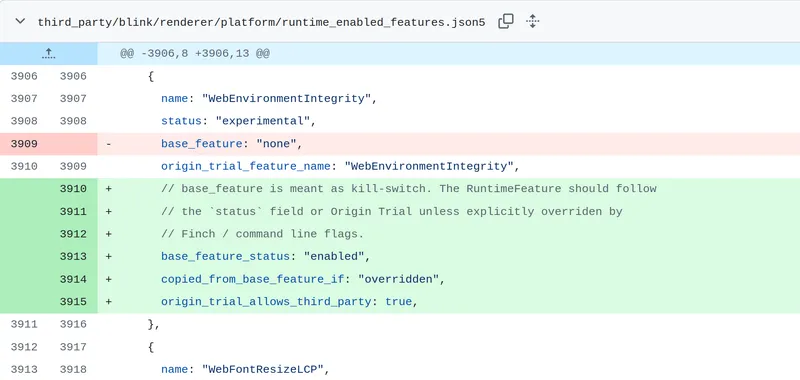
Google Cloud Fraud Defence is just WEI repackaged
May 8, 2026
Discord Voluntarily Pushes Mandatory Age Verification Despite Recent Data Breach
Feb 13, 2026

A Boy That Cried Mythos: Verification Is Collapsing Trust in Anthropic
Apr 23, 2026