Google Cloud Fraud Defence is just WEI repackaged
privatecaptcha.com
May 8, 2026
7 min read
🔥🔥🔥🔥🔥
71/100
Summary
Google Cloud Fraud Defense, announced in May 2026, features a QR code challenge for verifying human presence. This product repackages the device attestation mechanism from the discontinued Web Environment Integrity initiative, which was halted in 2023 due to objections from standards bodies.
Key Takeaways
- Google announced Google Cloud Fraud Defense in May 2026, featuring a QR code challenge for users to verify human presence by scanning the code with their phones.
- The system requires a modern Android device with Google Play Services or a modern iPhone/iPad to pass the Play Integrity checks necessary for attestation.
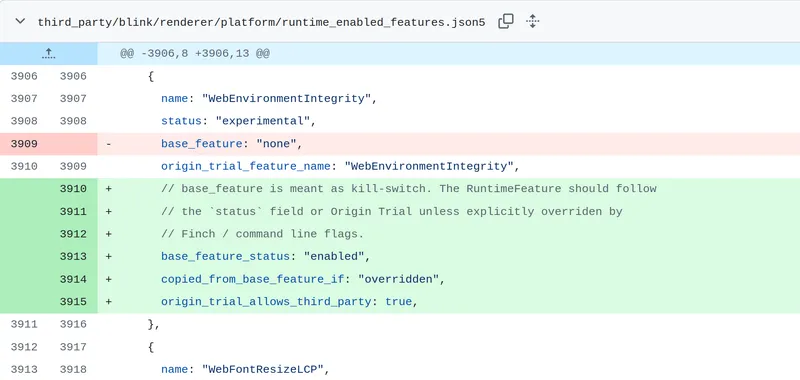
- Google previously proposed the Web Environment Integrity (WEI) mechanism in 2023, which was withdrawn due to public objections regarding its impact on user interests and web accessibility.
- The QR code challenge can be easily bypassed by bot operators using off-the-shelf hardware, as they can point a camera at the screen to authenticate.
Community Sentiment
Positives
- The introduction of device attestation by Google could enhance security measures against bot fraud, potentially improving user trust in online transactions.
- Google's efforts to address the bot problem indicate a recognition of significant challenges in online security, which is crucial for maintaining the integrity of digital platforms.
Concerns
- Many users express deep concern that Google's new approach may further entrench their power and lead to more unethical practices, undermining the open internet.
- Critics argue that Google's reliance on proprietary systems for fraud defense could alienate users on non-Google platforms, limiting accessibility and choice.
- There is skepticism about the effectiveness of Google's fraud defense measures, as past attempts have failed to adequately address issues like ad fraud and bot detection.