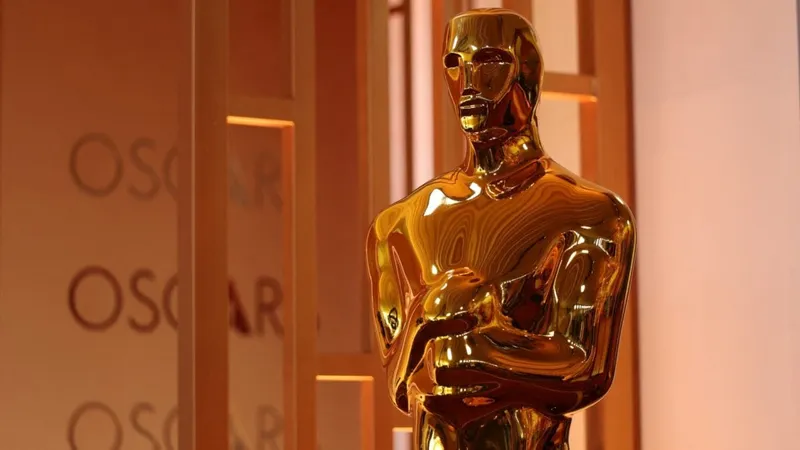
The Oscars just banned AI from winning acting and writing awards
gizmodo.com
May 3, 2026
1 min read
🔥🔥🔥🔥🔥
47/100
Summary
The Academy of Motion Picture Arts and Sciences has announced new eligibility rules for the Oscars, stating that only acting roles performed by humans with their consent can be considered for awards. Screenplays must also be human-authored to be eligible for writing awards, effectively banning AI-generated content from winning.
Key Takeaways
- The Academy of Motion Picture Arts and Sciences announced that only acting roles performed by humans with consent will be eligible for Oscars.
- Screenplays must be human-authored to qualify for Academy Awards, effectively banning AI-generated writing from consideration.
- The Academy's new rules do not currently address the use of generative AI in other categories such as visual effects, costume design, or music.
- Upcoming changes to the Oscars include allowing actors to be nominated for multiple performances in the same category and recognizing international films by their titles rather than their countries of origin.
Community Sentiment
Positives
- Banning AI from acting and writing awards reflects a commitment to preserving the emotional and artistic integrity of human creativity in the film industry.
- The decision to restrict AI in awards shows that institutions value the human experience and journey behind artistic creation, which cannot be replicated by machines.
Concerns
- The rule against AI in awards is seen as performative signaling, as it's nearly impossible to enforce and may not address the real implications of AI in creative fields.
- Concerns arise that the legacy of traditional entertainment is fading, with younger generations turning to AI-generated content, making such bans potentially irrelevant.