Ultrafast machine learning on FPGAs via Kolmogorov-Arnold Networks
aarushgupta.io
June 9, 2026
13 min read
🔥🔥🔥🔥🔥
61/100
Summary
Ultrafast inference and online learning can be achieved using hardware architectures designed for Kolmogorov-Arnold Networks (KAN) on FPGAs. The research focuses on optimizing these architectures to enhance machine learning performance.
Key Takeaways
- The Kolmogorov-Arnold Network (KAN) architecture is designed for ultrafast inference and online learning on FPGAs.
- FPGAs are more suitable than GPUs for applications requiring ultra-low latency and high hardware efficiency in machine learning tasks.
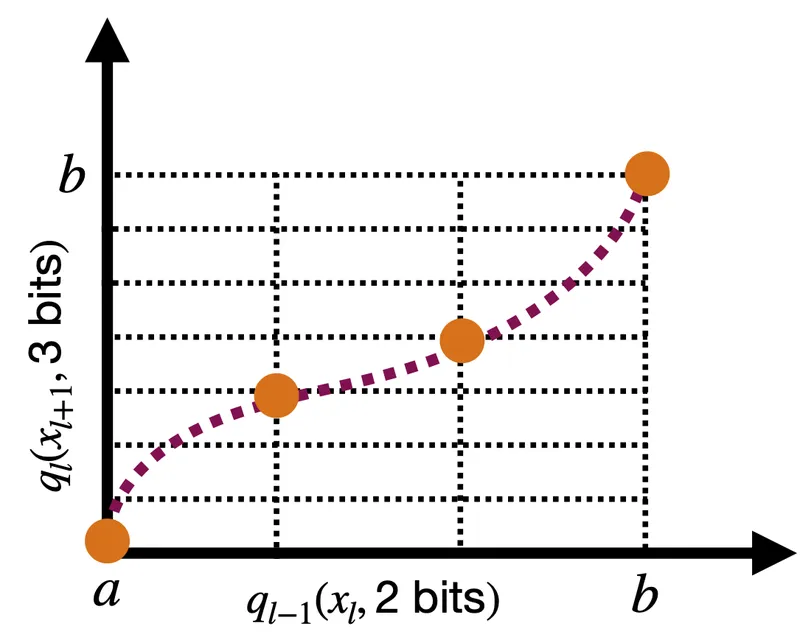
- Fixed-point quantization is used in FPGAs to represent real numbers as bitstrings, enabling efficient arithmetic operations in neural networks.
- The custom hardware accelerators provided by FPGAs allow for the implementation of neural networks directly as digital logic, improving performance for specialized workloads.
Community Sentiment
Positives
- The focus on ultrafast learning for small models opens up possibilities for real-time applications in fields like high-energy physics and quantum computing, which require low latency.
- The ongoing development of Kolmogorov-Arnold Networks (KANs) suggests a promising future for specialized machine learning architectures, particularly in niche applications.
Concerns
- The limitation to small models and the focus on latency rather than throughput raises concerns about the applicability of this approach for larger, more complex AI tasks like LLM inference.
- The inability to accelerate LLM inference indicates that this technology may not meet the demands of current AI applications that require high throughput.