Report · businessinsider.com
Workers are spending over 6 hours a week botsitting AI, fueling job frustration
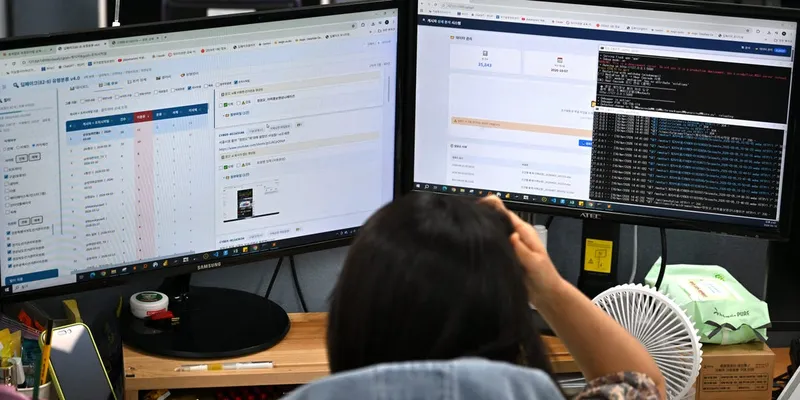
businessinsider.com
Source published June 11, 2026
Summary: 1 min read
61/100
Summary
White-collar workers spend an average of 6.4 hours per week "botsitting" AI, which includes providing context, verifying outputs, debugging errors, and correcting mistakes. A report from Glean's Work AI Institute, based on a survey of 6,000 full-time workers in the US, UK, and Australia, highlights this hidden labor associated with AI usage.
Key Takeaways
- White-collar workers spend an average of 6.4 hours per week "botsitting" AI, which involves feeding it context, checking outputs, and debugging errors.
- Despite 87% of workers using AI and 75% feeling more productive, only 13% report significant improvements in organizational performance due to AI.
- Employees who spend more time botsitting are 73% more likely to be actively seeking new jobs, indicating a negative impact on morale.
- Effective AI implementation requires organizations to focus on the supportive work around AI, such as providing context and training, rather than solely increasing AI usage.
Coverage & discussions
Hacker News · businessinsider.com
Community discussions
Community Sentiment
Positives
- Setting good guardrails and using sandbox environments significantly improves the efficiency of working with AI, allowing for smoother project management and reducing tedious interactions.
- Exploring the outputs of AI models can be an engaging experience, akin to hacking, which adds an element of creativity to the work.
- When AI performs well, it can enhance productivity and provide a sense of relief, indicating the potential for effective collaboration between humans and AI.
Concerns
- Workers are increasingly being asked to automate enjoyable parts of their jobs, leading to feelings of deflation and decreased job satisfaction, which can negate productivity gains.
- The shift in roles where humans are now babysitting AI rather than being the primary creators can lead to social alienation and a lack of pride in one's work.
- Many employees feel that AI is taking over their responsibilities, transforming them into assistants rather than allowing them to leverage AI as a tool for enhancement.
Related Articles

Tech leaders say AI means less work – staff say they work up to 90 hours a week
Aug 10, 2026

Why developers using AI are working longer hours
Mar 7, 2026

Amazon Employees Say AI Is Just Increasing Workload
Mar 12, 2026

White-collar workers are quietly rebelling against AI as 80% outright refuse adoption mandates
Apr 9, 2026

CEOs admit AI had no impact on employment or productivity
Apr 19, 2026