AI didn't erase the junior engineer's value, it increased it it
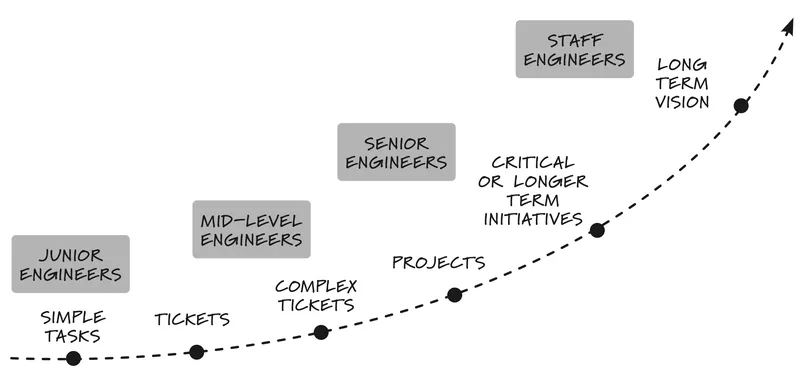
The author argues that AI has increased, rather than erased, the value junior engineers can provide by expanding the complexity they can manage. In one example, an intern led delivery of a long-requested product feature that had not cleared prioritization thresholds: the intern gathered requirements from a product manager, wrote and aligned a design document, adapted to technical and product trade-offs, and built the feature with AI and team support. AI generated much of the code, while the intern owned the decisions. The author contends that engineering work extends beyond implementing specifications or prompting AI tools. Engineers at different levels solve customer problems while managing different amounts of technical complexity, including requirements, customer context, and trade-offs that may depend on information beyond a codebase. The author says junior engineers therefore add organizational capacity, while AI can reduce parts of early-career training previously spent learning languages, tools, patterns, and codebase details. Human-provided organizational context remains necessary, according to the author. The author also argues that engineers who began their careers using AI may be well positioned as they gain experience, and that organizations need to keep developing future technical judgment by hiring and training early-career engineers.
franciscotrindade.me
4 min
8/20/2026
AI didn't erase the junior engineer's value, it increased it it
The author argues that AI has increased, rather than erased, the value junior engineers can provide by expanding the complexity they can manage. In one example, an intern led delivery of a long-requested product feature that had not cleared prioritization thresholds: the intern gathered requirements from a product manager, wrote and aligned a design document, adapted to technical and product trade-offs, and built the feature with AI and team support. AI generated much of the code, while the intern owned the decisions. The author contends that engineering work extends beyond implementing specifications or prompting AI tools. Engineers at different levels solve customer problems while managing different amounts of technical complexity, including requirements, customer context, and trade-offs that may depend on information beyond a codebase. The author says junior engineers therefore add organizational capacity, while AI can reduce parts of early-career training previously spent learning languages, tools, patterns, and codebase details. Human-provided organizational context remains necessary, according to the author. The author also argues that engineers who began their careers using AI may be well positioned as they gain experience, and that organizations need to keep developing future technical judgment by hiring and training early-career engineers.
franciscotrindade.me
4 min
8/20/2026
AI didn't erase the junior engineer's value, it increased it it
The author argues that AI has increased, rather than erased, the value junior engineers can provide by expanding the complexity they can manage. In one example, an intern led delivery of a long-requested product feature that had not cleared prioritization thresholds: the intern gathered requirements from a product manager, wrote and aligned a design document, adapted to technical and product trade-offs, and built the feature with AI and team support. AI generated much of the code, while the intern owned the decisions. The author contends that engineering work extends beyond implementing specifications or prompting AI tools. Engineers at different levels solve customer problems while managing different amounts of technical complexity, including requirements, customer context, and trade-offs that may depend on information beyond a codebase. The author says junior engineers therefore add organizational capacity, while AI can reduce parts of early-career training previously spent learning languages, tools, patterns, and codebase details. Human-provided organizational context remains necessary, according to the author. The author also argues that engineers who began their careers using AI may be well positioned as they gain experience, and that organizations need to keep developing future technical judgment by hiring and training early-career engineers.
franciscotrindade.me
4 min
8/20/2026
No more articles to load