Algorithmic Monocultures in Hiring
hai.stanford.edu
June 23, 2026
4 min read
🔥🔥🔥🔥🔥
55/100
Summary
A large-scale study reveals that AI hiring algorithms can exhibit racial bias, leading to systemic rejection of candidates. The current labor market presents challenges for the Class of 2026, with slowed entry-level hiring and an increase in applications.
Key Takeaways
- Ninety percent of U.S. employers utilize AI screening tools for job applications, leading to increased racial bias in candidate selection.
- 26% of Black applicants and 15% of Asian applicants faced discrimination from AI hiring systems, resulting in tens of thousands of missed opportunities for advancement.
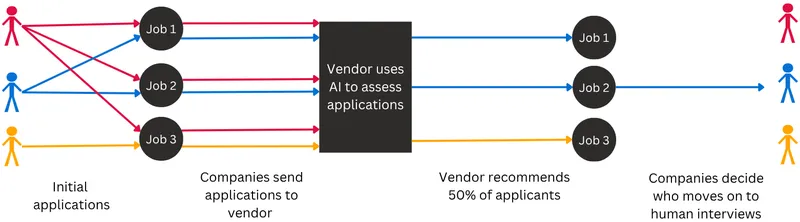
- Applicants using the same AI hiring vendor are more likely to be rejected from all positions applied for, indicating systemic rejection linked to algorithmic monocultures.
- Measuring adverse impact by pooling recommendations across different job positions can obscure discrimination that occurs on a job-by-job basis.
Coverage & discussions
Hacker News · hai.stanford.edu
Community discussions
Community Sentiment
Positives
- The European Union's Artificial Intelligence Act represents a proactive approach to regulating high-risk AI applications, ensuring transparency and human oversight in critical sectors like recruitment.
- The discussion highlights the importance of understanding systemic rejection in hiring processes, emphasizing the need for careful consideration of AI's role in amplifying biases.
Concerns
- Relying on a single AI model for hiring could lead to amplified biases, potentially locking out diverse candidates and perpetuating systemic discrimination.
- Bias in AI hiring algorithms is unavoidable, raising significant ethical concerns about their impact on employment opportunities for marginalized groups.
Related Articles
Algorithmic Monocultures in Hiring
Jun 8, 2026

White-collar workers are quietly rebelling against AI as 80% outright refuse adoption mandates
Apr 9, 2026

I was interviewed by an AI bot for a job
Mar 11, 2026
What is happening to jobs? Separating AI hype from reality
Jul 25, 2026
AI sticker shock hits corporate America
May 28, 2026