How to sequence your own DNA at home
bradleywoolf.com
July 7, 2026
15 min read
🔥🔥🔥🔥🔥
64/100
Summary
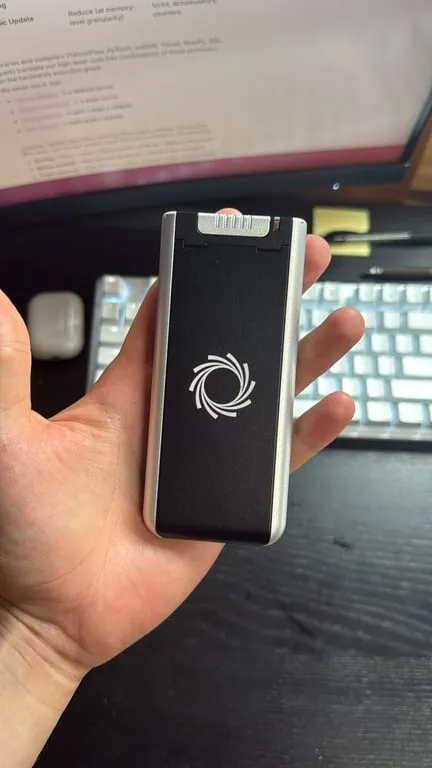
DNA can be sequenced at home using an Oxford Nanopore Technologies MinION by collecting cheek cells from a swab, preparing them for sequencing, and analyzing the results. Cheek cells are easily accessible and replenish quickly, but they are not suitable for diagnosing conditions like cancer or inflammation.
Key Takeaways
- The author sequenced their genome five times using an Oxford Nanopore Technologies MinION, which involved collecting cheek cells, preparing them, and analyzing the results.
- The cost of sequencing technology is decreasing rapidly, with expectations for future affordability similar to that of cell phones or AI tools.
- The genome serves as a reference layer for understanding genetic variants, which can be analyzed using various tools to assess health implications and medication metabolism.
- Current genomic information is not diagnostic-level and should not be used for self-editing with CRISPR based solely on AI recommendations.
Community Sentiment
Positives
- The idea of using home sequencing to identify problematic plants in sewers is a clever way to save homeowners money — $100 to avoid a $10,000 repair is a no-brainer.
- The baseline accuracy of around 95% per base for this technology is impressive, suggesting that with enough coverage, users can achieve over 99% accuracy.
- The privacy-conscious aspect of home sequencing is a major plus, especially for those wary of data sharing in commercial labs.
Concerns
- Oxford Nanopore's high error rate of 3-5% raises significant concerns, especially since these errors are non-random and could affect results.
- There's skepticism about whether the home sequencing technology can truly deliver consistent accuracy, as running experiments multiple times could yield varying results.