Local AI needs to be the norm
unix.foo
May 10, 2026
6 min read
🔥🔥🔥🔥🔥
82/100
Summary
Reliance on cloud-hosted AI models for software features can lead to fragile applications that compromise user privacy. Local AI solutions are suggested as a more robust and secure alternative to avoid these issues.
Key Takeaways
- Relying on cloud-hosted AI models creates software that is fragile, privacy-invasive, and dependent on external factors like server uptime and billing.
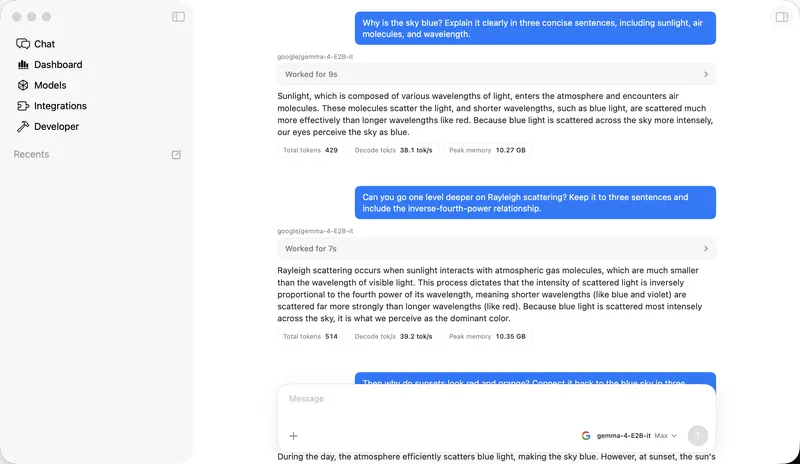
- Local devices have sufficient processing power to handle AI tasks, allowing for faster, more private, and reliable applications without the need for server detours.
- Apple has invested in local AI model tooling, enabling developers to create applications that generate AI responses directly on devices without sending user data to third-party servers.
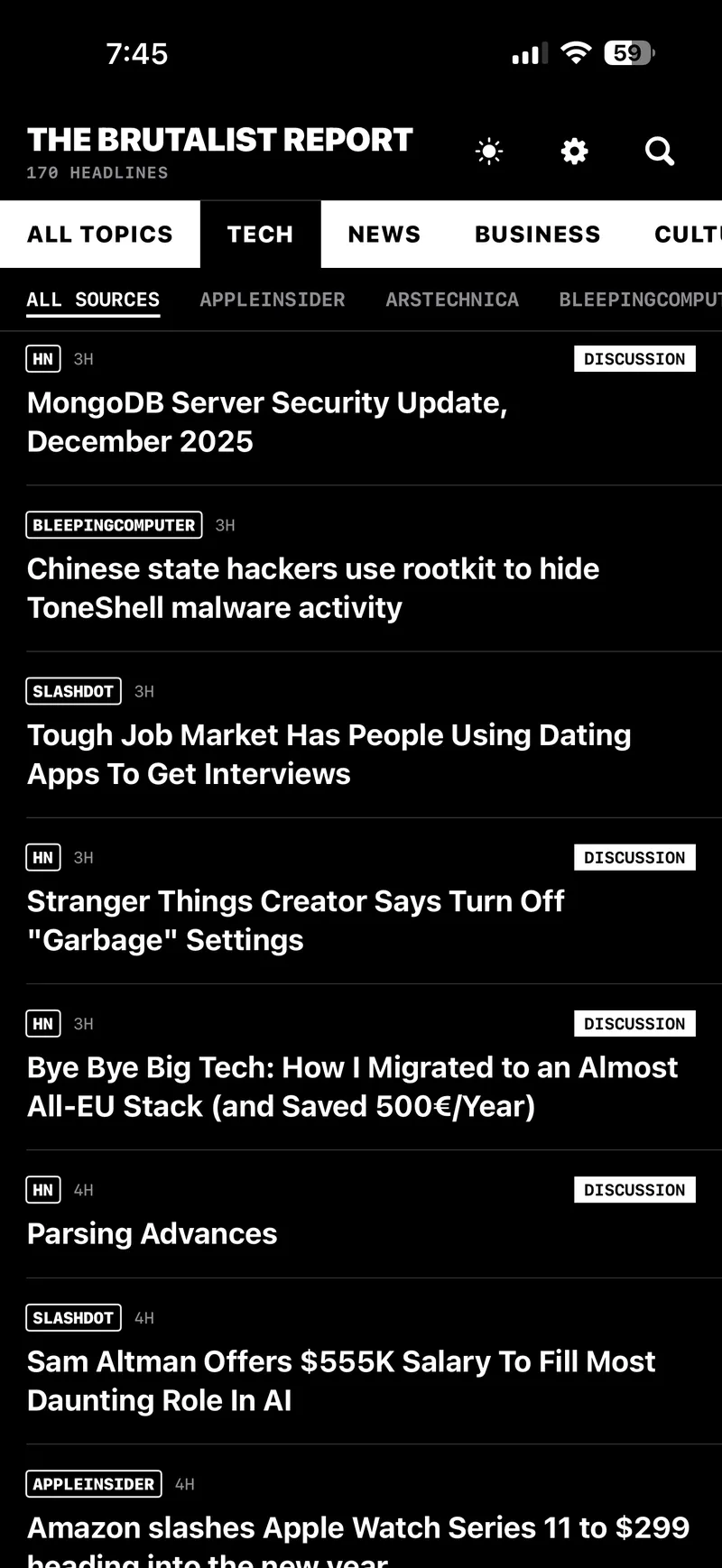
- The Brutalist Report app exemplifies the use of on-device AI for generating summaries, demonstrating that many use cases can be effectively handled locally rather than relying on cloud services.
Community Sentiment
Positives
- Local AI models can operate effectively on consumer-grade hardware, making advanced AI capabilities more accessible and reducing reliance on cloud services.
- The potential for local AI to handle specific tasks without the need for cloud infrastructure could significantly lower costs for users and businesses.
- Emerging technologies like LoRAs enable efficient fine-tuning of models locally, allowing users to adapt AI to their specific needs without extensive resources.
Concerns
- The immense computing power and large datasets required to train functional LLMs locally remain significant barriers for most users, limiting practical applications.
- Concerns about the proprietary nature of local models highlight issues around transparency and control over training data, which could lead to biased outputs.
- The lack of a clear business model for open-weight AI raises doubts about its sustainability and long-term viability in the market.
Related Articles

Every company building your AI assistant is now an ad company
Feb 20, 2026

Running local models on an M4 with 24GB memory
May 10, 2026

Apple's accidental moat: How the "AI Loser" may end up winning
Apr 13, 2026
Nativ: Run frontier open models locally on your Mac
Jul 20, 2026

Composition Shouldn't be this Hard
Apr 24, 2026