The Future Belongs to the Weird
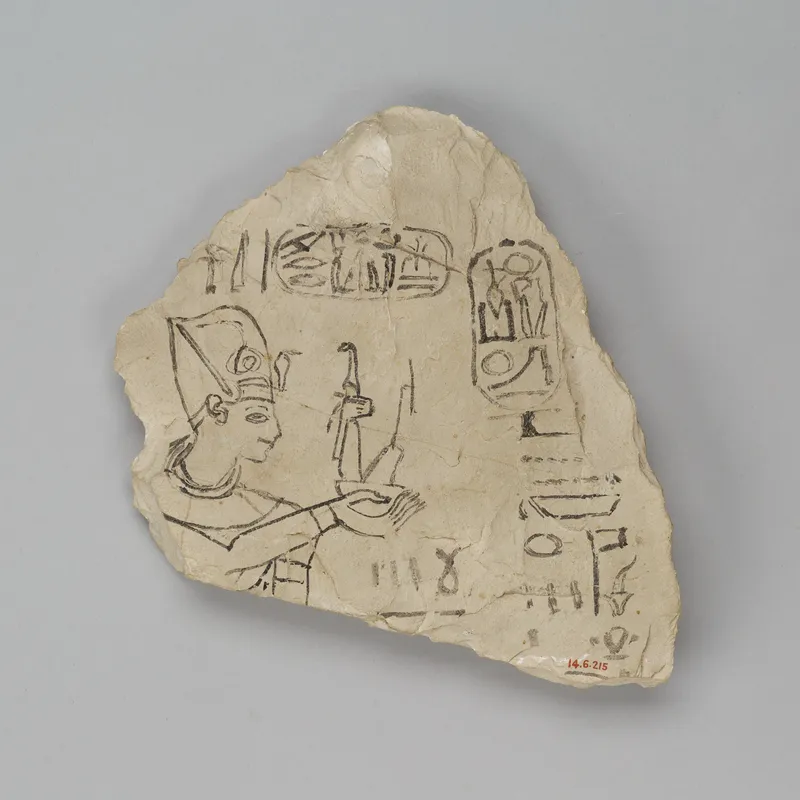
George Strakhov argues that AI and robotics could reverse the long-standing economic advantage of human predictability. Historically, institutions such as armies, factories, schools and governments depended on reliable, interchangeable people, creating incentives to conform and suppress unusual traits. The essay contends that industrial education, automated hiring filters, social-media algorithms and other systems have reinforced those pressures even as overt punishment for nonconformity has declined. Strakhov predicts that software AI and robots will increasingly perform repeatable, measurable work more cheaply and reliably than people. In his view, humans whose value rests on producing predictable outcomes will compete with automation, while originality, adaptability, sensitivity, risk-taking and unusual perspectives will become more valuable. He characterizes this as a shift in which more people can rationally embrace “weirdness,” rather than reserving unconventional behavior for a small minority. The essay says the transition could be painful and take generations, and it does not portray a more unconventional society as automatically beneficial. It calls for education that preserves individuality while providing developmental structure, communities that support both subcultures and cross-group connection, and economic systems that reward risky, long-term work despite frequent failure. Strakhov notes that universal basic income may not by itself create those incentives and cites mixed evidence on whether academic tenure encourages riskier research.
essays.georgestrakhov.com
14 min
8/24/2026
New Worlds: We are living in the future of J.G. Ballard or William Gibson
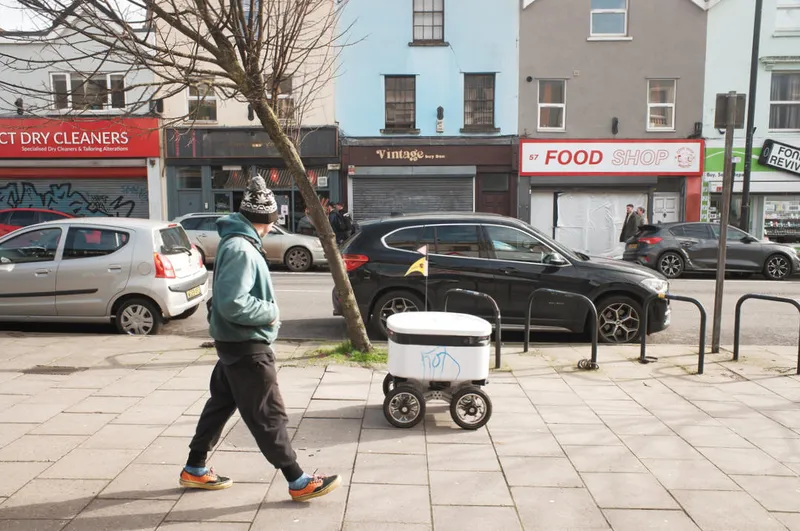
The writer characterizes everyday life in 2026 as a normalized version of cyberpunk, built from news reports, advertisements and personal encounters involving artificial intelligence, robotics, surveillance and extreme commercial ventures. Examples include Get A Drip’s IV-vitamin clinic in London’s Westfield shopping centre, a delivery robot navigating Bristol’s Gloucester Road, robots dancing at Seoul’s Galaxy Robot Park, and police drones used to identify alleged dangerous driving in Poole. The cited reports describe Meta code that Wired said added a face-recognition feature, internally called NameTag, to Meta’s AI app for use with smart glasses; banks warning that criminals use AI voice imitation for fraud; and suspicion that neo-soul performer Sienna Rose’s music is AI-generated despite 2.6 million monthly Spotify listeners. Other examples include AI-generated images of Russian soldiers circulating online, virtual “parents” offering reassurance to users in China, and workers sending AI bots to meetings. The writer argues that these developments feel less like science fiction because they appear amid ordinary routines and receive little sustained public reaction. The source also links technological normalization to climate disruption, citing wildfires affecting English Midlands housing estates and heat-related rail-track buckling, while questioning whether pausing to notice rapid change alters society’s ability to adapt to it.
precastreinforced.co.uk
9 min
8/21/2026

AI;DR (AI; Didn't Read)
AI;DR, short for “AI; didn’t read,” is being proposed as a label for declining to read unedited AI-generated text. Rick Manelius credits X user seclilc with coining or publicizing the acronym two days earlier and says it responds to growing frustration with “walls” of AI-written content. Manelius supports AI use for tasks such as sourcing ideas, drafting outlines, and refining prose, and says widespread AI use should be expected by the third quarter of 2026. He draws a distinction between AI-assisted work that people review and edit and raw model output forwarded without human intervention. Under his stated policy, he will not read material whose sender has not taken the time to review and edit it. He identifies customer support as a setting where fully AI-generated responses can be appropriate, because users primarily need functional answers rather than carefully crafted dialogue. He argues that unedited AI output in colleague discussions, newsletters, or social-media posts signals a lack of care, particularly when readers could ask an AI system such as Claude directly. AI;DR is framed as an equivalent to TL;DR for rejecting low-effort AI-generated prose.
rickmanelius.com
2 min
8/17/2026
What AI developers could learn from Charles Bukowski?
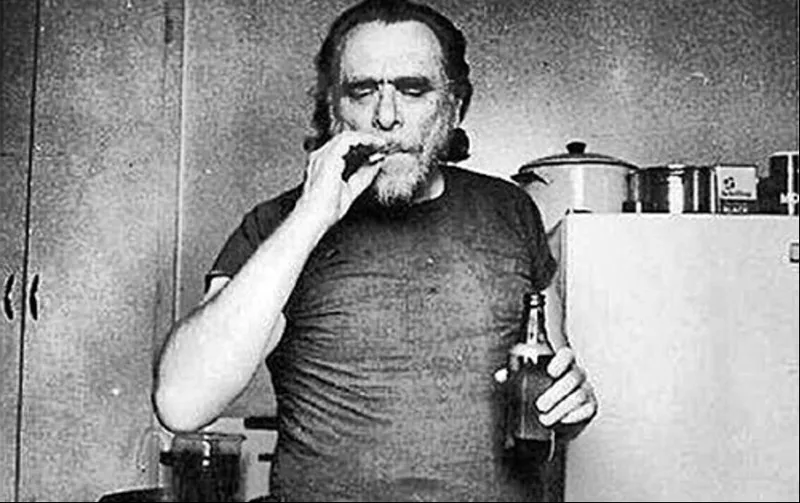
AI developers can draw inspiration from Charles Bukowski's perspective on patience and the importance of waiting for the right moment to act. Emphasizing the need for creativity and alternative pursuits during periods of inactivity can enhance innovation in AI development.
galjot.si
3 min
7/28/2026
Response to AI slop is from Robin Williams
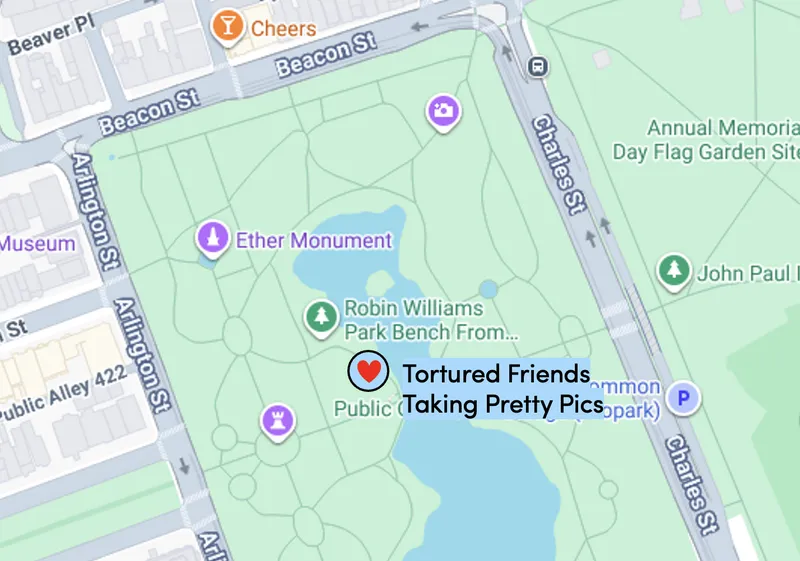
Robin Williams' character in Good Will Hunting addresses the challenges of AI-generated noise and overwhelming online advice. The scene emphasizes the importance of genuine human connection and understanding amidst the chaos of digital content.
jayacunzo.com
9 min
6/28/2026

The Doom Justifies the Valuation
Berkeley is described as having a community that embraces atheistic hedonism and relies on the concept of AI doom to validate their lifestyle choices. There is a sentiment that a catastrophic event in San Francisco would relieve the pressure felt by this group.
geohot.github.io
3 min
6/22/2026
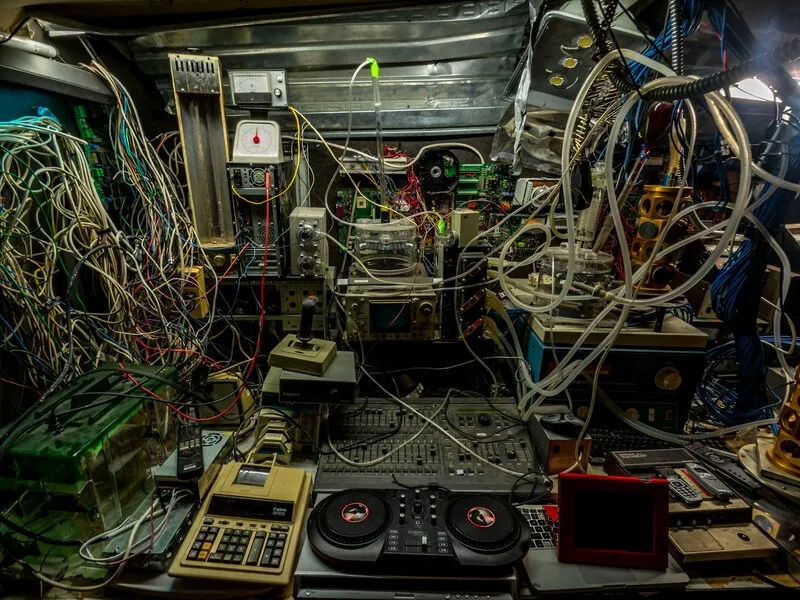
Cleaning up after AI rockstar developers
AI rockstar developers often introduce innovative technologies and architectures that can leave teams feeling overwhelmed. Their high standards and rejection of pull requests can create challenges for other team members adapting to the new expectations.
codingwithjesse.com
5 min
6/9/2026

Dopamine Fracking
Dopamine fracking involves allocating excessive resources like money, analytics, and popular opinion aggregation to intensify the pleasure derived from an activity, prioritizing dopamine extraction above all else. The term was coined during a discussion on Discord to describe this growing trend.
igerman.cc
7 min
6/8/2026

The OnlyFans Economy of American AI
The OnlyFans economy represents a shift in how creators monetize content through direct fan engagement. Speculative writing explores the implications of this model within the broader context of societal change and technological advancement.
leoveanu.com
7 min
6/7/2026
The Future Belongs to the Weird
George Strakhov argues that AI and robotics could reverse the long-standing economic advantage of human predictability. Historically, institutions such as armies, factories, schools and governments depended on reliable, interchangeable people, creating incentives to conform and suppress unusual traits. The essay contends that industrial education, automated hiring filters, social-media algorithms and other systems have reinforced those pressures even as overt punishment for nonconformity has declined. Strakhov predicts that software AI and robots will increasingly perform repeatable, measurable work more cheaply and reliably than people. In his view, humans whose value rests on producing predictable outcomes will compete with automation, while originality, adaptability, sensitivity, risk-taking and unusual perspectives will become more valuable. He characterizes this as a shift in which more people can rationally embrace “weirdness,” rather than reserving unconventional behavior for a small minority. The essay says the transition could be painful and take generations, and it does not portray a more unconventional society as automatically beneficial. It calls for education that preserves individuality while providing developmental structure, communities that support both subcultures and cross-group connection, and economic systems that reward risky, long-term work despite frequent failure. Strakhov notes that universal basic income may not by itself create those incentives and cites mixed evidence on whether academic tenure encourages riskier research.
essays.georgestrakhov.com
14 min
8/24/2026
AI;DR (AI; Didn't Read)
AI;DR, short for “AI; didn’t read,” is being proposed as a label for declining to read unedited AI-generated text. Rick Manelius credits X user seclilc with coining or publicizing the acronym two days earlier and says it responds to growing frustration with “walls” of AI-written content. Manelius supports AI use for tasks such as sourcing ideas, drafting outlines, and refining prose, and says widespread AI use should be expected by the third quarter of 2026. He draws a distinction between AI-assisted work that people review and edit and raw model output forwarded without human intervention. Under his stated policy, he will not read material whose sender has not taken the time to review and edit it. He identifies customer support as a setting where fully AI-generated responses can be appropriate, because users primarily need functional answers rather than carefully crafted dialogue. He argues that unedited AI output in colleague discussions, newsletters, or social-media posts signals a lack of care, particularly when readers could ask an AI system such as Claude directly. AI;DR is framed as an equivalent to TL;DR for rejecting low-effort AI-generated prose.
rickmanelius.com
2 min
8/17/2026
Response to AI slop is from Robin Williams
Robin Williams' character in Good Will Hunting addresses the challenges of AI-generated noise and overwhelming online advice. The scene emphasizes the importance of genuine human connection and understanding amidst the chaos of digital content.
jayacunzo.com
9 min
6/28/2026
Cleaning up after AI rockstar developers
AI rockstar developers often introduce innovative technologies and architectures that can leave teams feeling overwhelmed. Their high standards and rejection of pull requests can create challenges for other team members adapting to the new expectations.
codingwithjesse.com
5 min
6/9/2026
The OnlyFans Economy of American AI
The OnlyFans economy represents a shift in how creators monetize content through direct fan engagement. Speculative writing explores the implications of this model within the broader context of societal change and technological advancement.
leoveanu.com
7 min
6/7/2026
New Worlds: We are living in the future of J.G. Ballard or William Gibson
The writer characterizes everyday life in 2026 as a normalized version of cyberpunk, built from news reports, advertisements and personal encounters involving artificial intelligence, robotics, surveillance and extreme commercial ventures. Examples include Get A Drip’s IV-vitamin clinic in London’s Westfield shopping centre, a delivery robot navigating Bristol’s Gloucester Road, robots dancing at Seoul’s Galaxy Robot Park, and police drones used to identify alleged dangerous driving in Poole. The cited reports describe Meta code that Wired said added a face-recognition feature, internally called NameTag, to Meta’s AI app for use with smart glasses; banks warning that criminals use AI voice imitation for fraud; and suspicion that neo-soul performer Sienna Rose’s music is AI-generated despite 2.6 million monthly Spotify listeners. Other examples include AI-generated images of Russian soldiers circulating online, virtual “parents” offering reassurance to users in China, and workers sending AI bots to meetings. The writer argues that these developments feel less like science fiction because they appear amid ordinary routines and receive little sustained public reaction. The source also links technological normalization to climate disruption, citing wildfires affecting English Midlands housing estates and heat-related rail-track buckling, while questioning whether pausing to notice rapid change alters society’s ability to adapt to it.
precastreinforced.co.uk
9 min
8/21/2026
What AI developers could learn from Charles Bukowski?
AI developers can draw inspiration from Charles Bukowski's perspective on patience and the importance of waiting for the right moment to act. Emphasizing the need for creativity and alternative pursuits during periods of inactivity can enhance innovation in AI development.
galjot.si
3 min
7/28/2026
The Doom Justifies the Valuation
Berkeley is described as having a community that embraces atheistic hedonism and relies on the concept of AI doom to validate their lifestyle choices. There is a sentiment that a catastrophic event in San Francisco would relieve the pressure felt by this group.
geohot.github.io
3 min
6/22/2026
Dopamine Fracking
Dopamine fracking involves allocating excessive resources like money, analytics, and popular opinion aggregation to intensify the pleasure derived from an activity, prioritizing dopamine extraction above all else. The term was coined during a discussion on Discord to describe this growing trend.
igerman.cc
7 min
6/8/2026
The Future Belongs to the Weird
George Strakhov argues that AI and robotics could reverse the long-standing economic advantage of human predictability. Historically, institutions such as armies, factories, schools and governments depended on reliable, interchangeable people, creating incentives to conform and suppress unusual traits. The essay contends that industrial education, automated hiring filters, social-media algorithms and other systems have reinforced those pressures even as overt punishment for nonconformity has declined. Strakhov predicts that software AI and robots will increasingly perform repeatable, measurable work more cheaply and reliably than people. In his view, humans whose value rests on producing predictable outcomes will compete with automation, while originality, adaptability, sensitivity, risk-taking and unusual perspectives will become more valuable. He characterizes this as a shift in which more people can rationally embrace “weirdness,” rather than reserving unconventional behavior for a small minority. The essay says the transition could be painful and take generations, and it does not portray a more unconventional society as automatically beneficial. It calls for education that preserves individuality while providing developmental structure, communities that support both subcultures and cross-group connection, and economic systems that reward risky, long-term work despite frequent failure. Strakhov notes that universal basic income may not by itself create those incentives and cites mixed evidence on whether academic tenure encourages riskier research.
essays.georgestrakhov.com
14 min
8/24/2026
What AI developers could learn from Charles Bukowski?
AI developers can draw inspiration from Charles Bukowski's perspective on patience and the importance of waiting for the right moment to act. Emphasizing the need for creativity and alternative pursuits during periods of inactivity can enhance innovation in AI development.
galjot.si
3 min
7/28/2026
Cleaning up after AI rockstar developers
AI rockstar developers often introduce innovative technologies and architectures that can leave teams feeling overwhelmed. Their high standards and rejection of pull requests can create challenges for other team members adapting to the new expectations.
codingwithjesse.com
5 min
6/9/2026
New Worlds: We are living in the future of J.G. Ballard or William Gibson
The writer characterizes everyday life in 2026 as a normalized version of cyberpunk, built from news reports, advertisements and personal encounters involving artificial intelligence, robotics, surveillance and extreme commercial ventures. Examples include Get A Drip’s IV-vitamin clinic in London’s Westfield shopping centre, a delivery robot navigating Bristol’s Gloucester Road, robots dancing at Seoul’s Galaxy Robot Park, and police drones used to identify alleged dangerous driving in Poole. The cited reports describe Meta code that Wired said added a face-recognition feature, internally called NameTag, to Meta’s AI app for use with smart glasses; banks warning that criminals use AI voice imitation for fraud; and suspicion that neo-soul performer Sienna Rose’s music is AI-generated despite 2.6 million monthly Spotify listeners. Other examples include AI-generated images of Russian soldiers circulating online, virtual “parents” offering reassurance to users in China, and workers sending AI bots to meetings. The writer argues that these developments feel less like science fiction because they appear amid ordinary routines and receive little sustained public reaction. The source also links technological normalization to climate disruption, citing wildfires affecting English Midlands housing estates and heat-related rail-track buckling, while questioning whether pausing to notice rapid change alters society’s ability to adapt to it.
precastreinforced.co.uk
9 min
8/21/2026
Response to AI slop is from Robin Williams
Robin Williams' character in Good Will Hunting addresses the challenges of AI-generated noise and overwhelming online advice. The scene emphasizes the importance of genuine human connection and understanding amidst the chaos of digital content.
jayacunzo.com
9 min
6/28/2026
Dopamine Fracking
Dopamine fracking involves allocating excessive resources like money, analytics, and popular opinion aggregation to intensify the pleasure derived from an activity, prioritizing dopamine extraction above all else. The term was coined during a discussion on Discord to describe this growing trend.
igerman.cc
7 min
6/8/2026
AI;DR (AI; Didn't Read)
AI;DR, short for “AI; didn’t read,” is being proposed as a label for declining to read unedited AI-generated text. Rick Manelius credits X user seclilc with coining or publicizing the acronym two days earlier and says it responds to growing frustration with “walls” of AI-written content. Manelius supports AI use for tasks such as sourcing ideas, drafting outlines, and refining prose, and says widespread AI use should be expected by the third quarter of 2026. He draws a distinction between AI-assisted work that people review and edit and raw model output forwarded without human intervention. Under his stated policy, he will not read material whose sender has not taken the time to review and edit it. He identifies customer support as a setting where fully AI-generated responses can be appropriate, because users primarily need functional answers rather than carefully crafted dialogue. He argues that unedited AI output in colleague discussions, newsletters, or social-media posts signals a lack of care, particularly when readers could ask an AI system such as Claude directly. AI;DR is framed as an equivalent to TL;DR for rejecting low-effort AI-generated prose.
rickmanelius.com
2 min
8/17/2026
The Doom Justifies the Valuation
Berkeley is described as having a community that embraces atheistic hedonism and relies on the concept of AI doom to validate their lifestyle choices. There is a sentiment that a catastrophic event in San Francisco would relieve the pressure felt by this group.
geohot.github.io
3 min
6/22/2026
The OnlyFans Economy of American AI
The OnlyFans economy represents a shift in how creators monetize content through direct fan engagement. Speculative writing explores the implications of this model within the broader context of societal change and technological advancement.
leoveanu.com
7 min
6/7/2026